
How Tree Pruning Corrects Overcrowded Canopies And Poor Airflow
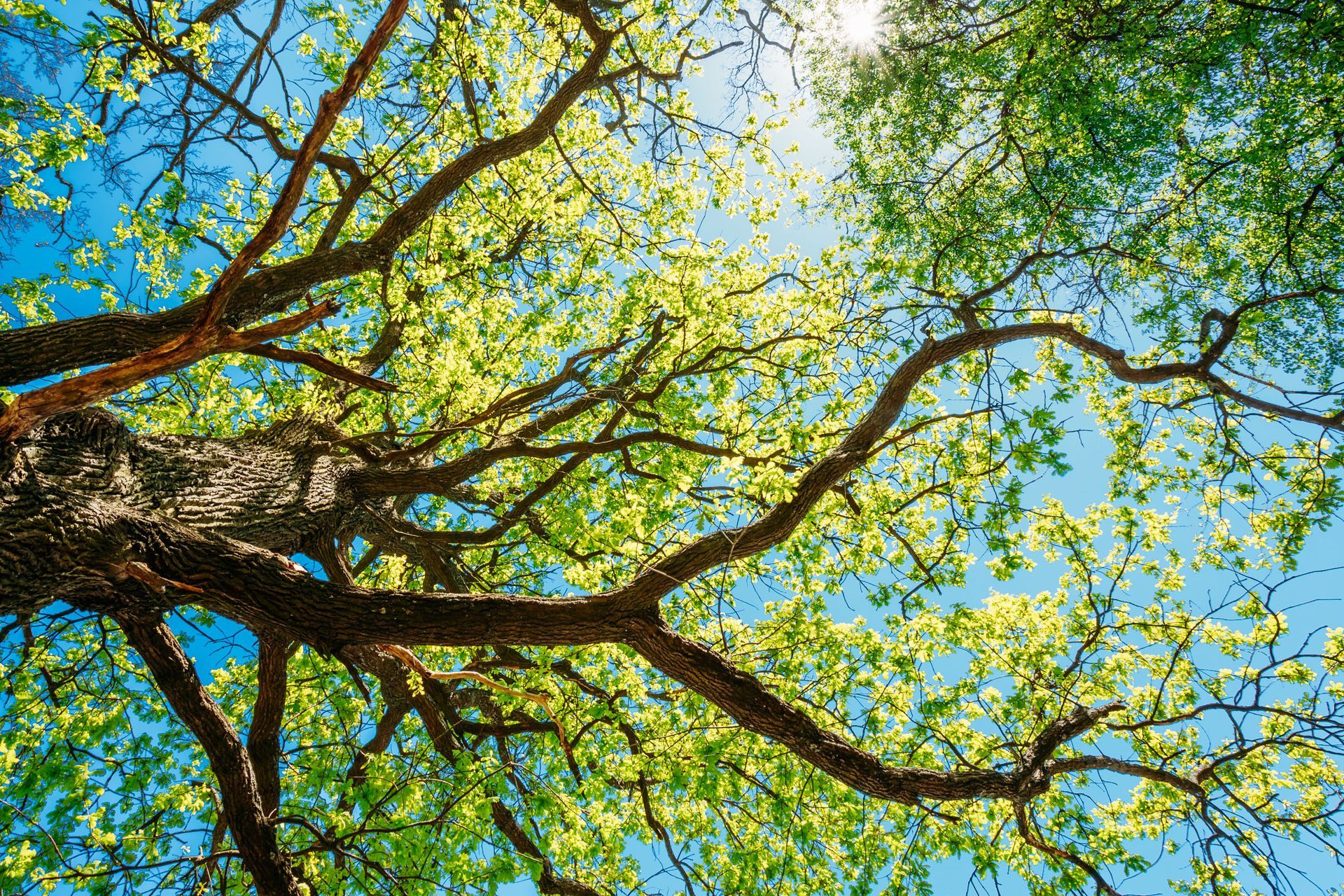
Dense foliage creates a dark, humid microclimate that invites fungal infections, pests, and structural stress into your yard. When branches grow too close together, sunlight struggles to reach the lower limbs, and stagnant air gets trapped inside the crown. Strategic tree pruning solves these issues by selectively removing targeted limbs to restore balance, light penetration, and natural air circulation throughout the entire plant.
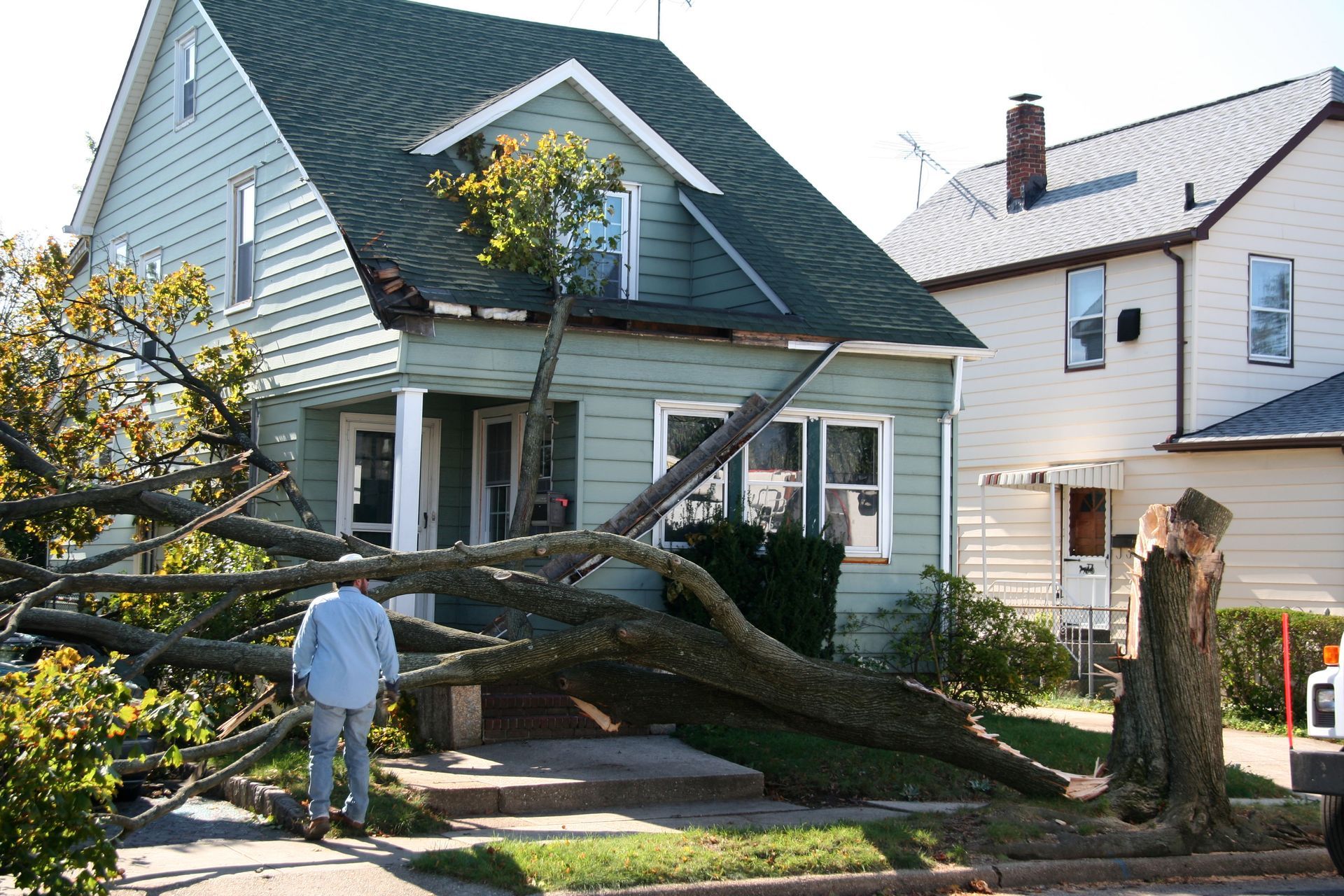
Property owners often overlook how quickly an unmanaged crown becomes a dangerous wind sail during severe weather events. Thick, tangled growth catches heavy gusts, putting immense leverage on the trunk and shallow root system. Opening up the canopy allows wind to pass through smoothly, protecting both your landscape and your home from sudden limb failure and costly storm damage.
Without regular structural maintenance, congested crowns also starve surrounding lawn grass and garden beds of vital morning sunlight. Shaded turf becomes thin, patchy, and overrun by moss or weeds that thrive in damp, gloomy conditions. Restoring proper spacing overhead revives the entire ecosystem beneath your shade trees while improving overall curb appeal.
Understanding How Overcrowded Canopies Develop
Trees naturally compete for sunlight by pushing out dense layers of leaves and shoots at their outer edges. Over time, interior branches become shaded out, weaken, and die, leaving behind a cluttered network of deadwood and crossing limbs. Without regular intervention, this thick outer shell blocks essential resources from reaching the inner structure of the plant.
Environmental factors like rich soil, abundant rainfall, and nearby structures also accelerate erratic, crowded growth patterns. Trees planted near fences, rooflines, or taller neighboring specimens often stretch awkwardly toward open light, creating lopsided, congested crowns that require careful tree pruning to correct and stabilize.
Improper past cutting practices, such as topping or shearing, frequently trigger explosive bursts of weak, vertical water sprouts. These crowded shoots grow rapidly from dormant buds just beneath old wounds, forming a dense thicket that blocks airflow even worse than before. Correcting this chaotic regrowth takes patience, skill, and a clear understanding of natural branch architecture.
Recognizing The Warning Signs Of Poor Airflow
A stagnant canopy shows clear visual symptoms long before a major branch snaps or a mature tree begins to decline. You might notice mossy growth on interior bark, premature leaf drop in the center of the crown, or persistent powdery mildew coating the foliage. These warning signs indicate that moisture lingers too long after rainstorms because breezes cannot circulate freely through the leaves.
Rubbing branches and tight, narrow branch unions also signal severe crowding inside the upper structure of the tree. When limbs grind against each other in the wind, they strip away protective outer bark and leave open wounds that attract boring insects and decay fungi. Catching these friction points early prevents structural weak spots from compromising major scaffold limbs.
Look closely at the ground beneath your trees as well for clues about canopy density and light blockage. If grass refuses to grow beneath the drip line or soil stays soggy long after nearby lawn areas dry out, overhead foliage is likely trapping humidity and casting overly heavy shade.
Thinning Interior Branches For Light Penetration
Crown thinning is the primary technique arborists use to relieve density without altering the natural shape or height of a mature tree. By selectively removing weak, secondary, and inward-growing shoots, professionals create small, even gaps throughout the upper canopy. This measured approach lets dappled sunlight reach lower branches and turfgrass beneath the drip line while preserving the tree's graceful silhouette.
Proper thinning focuses on the outer and middle zones of the crown rather than stripping foliage away from the main trunk. Removing too many interior limbs near the trunk creates a harmful condition known as lion-tailing, which shifts weight to branch tips and increases breakage risk. Maintaining balanced foliage distribution ensures that tree pruning strengthens the overall framework instead of creating bare, vulnerable poles.
When sunlight filters evenly through the upper leaves, interior foliage remains healthy, productive, and photosynthetically active. Better light distribution also encourages stronger taper along primary limbs, helping branches support heavy rain, ice, or summer fruit loads without bending or splitting.
Removing Deadwood And Crossing Limbs Safely
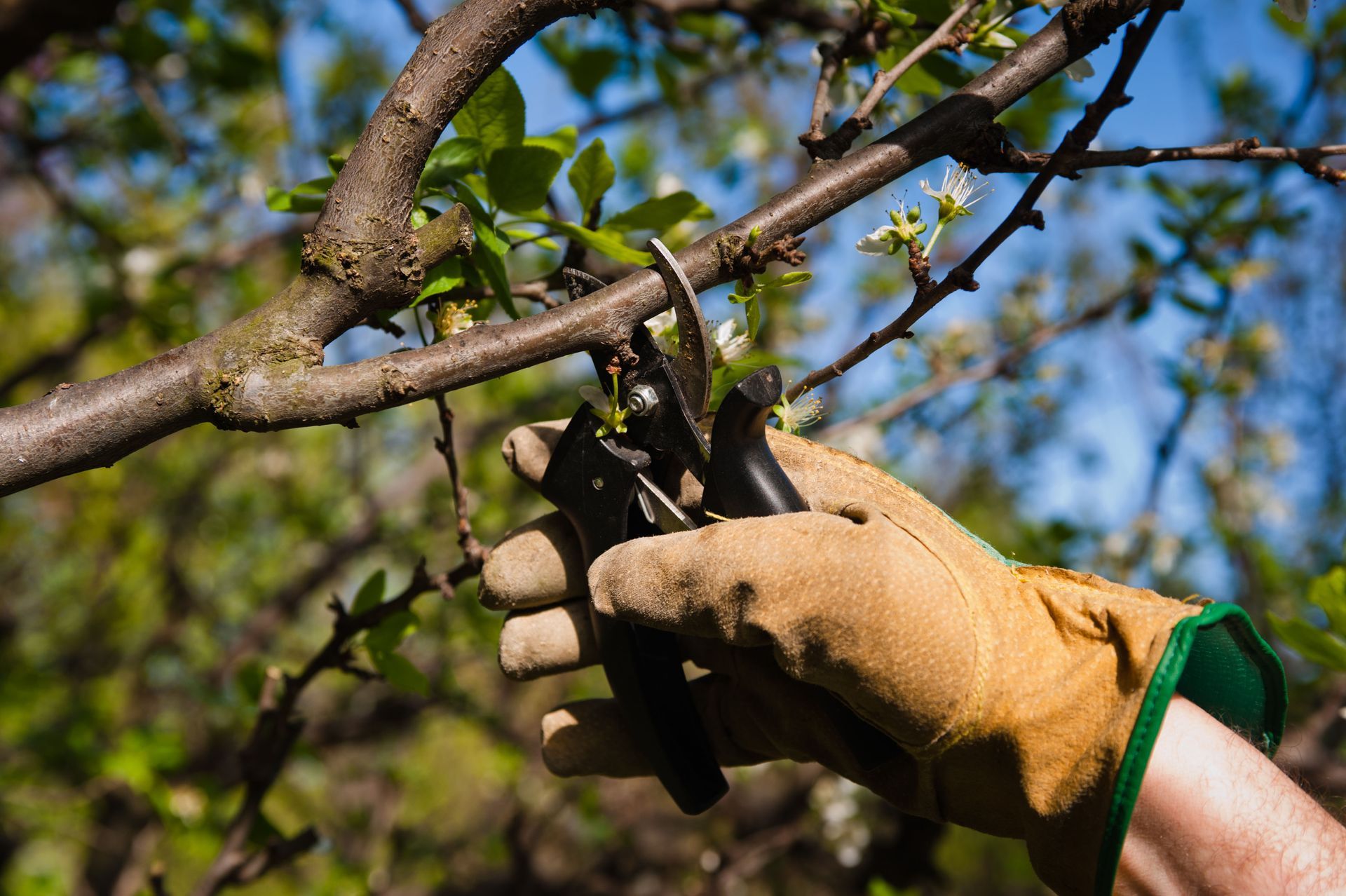
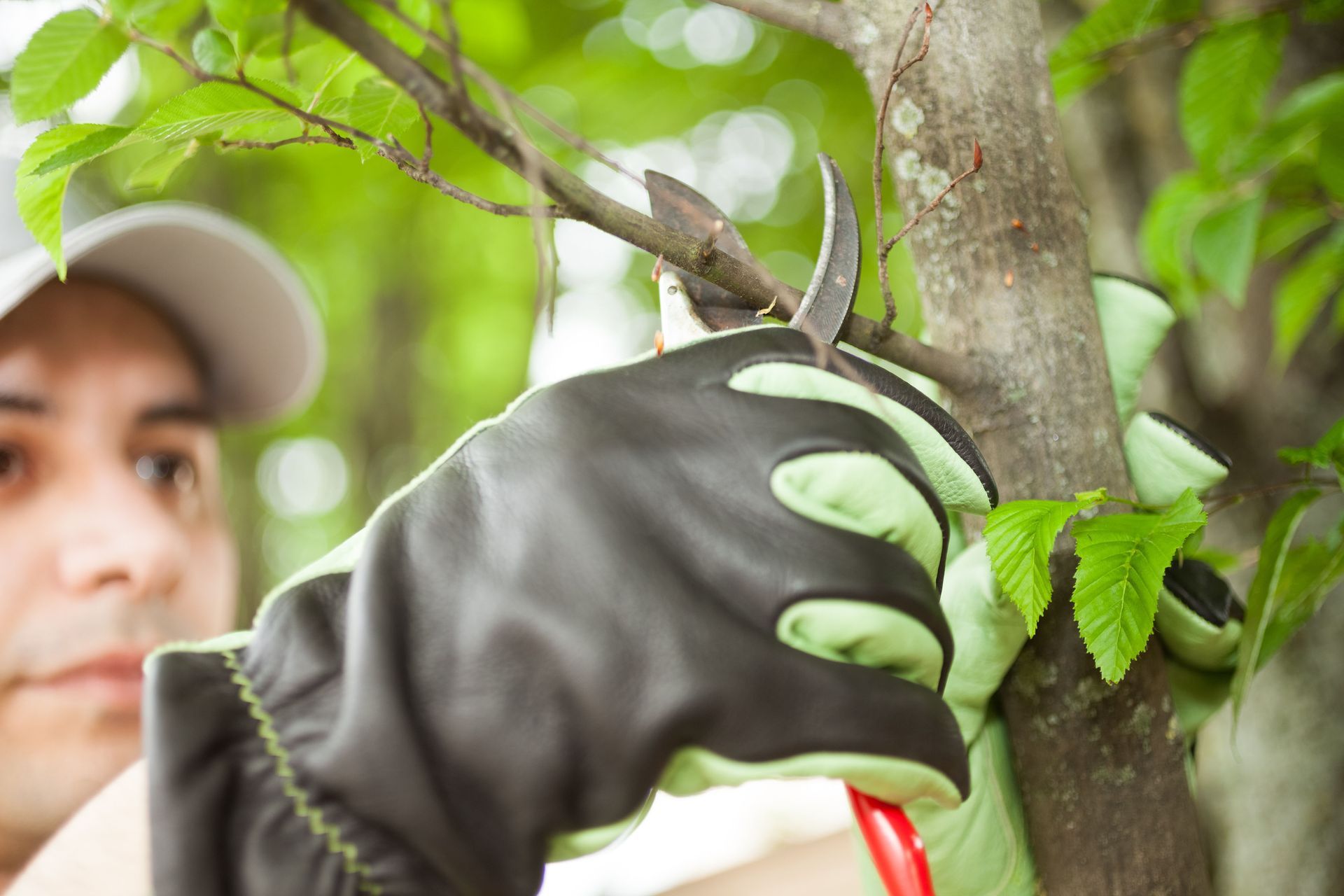
Eliminating dead, diseased, and damaged wood immediately improves airflow while removing falling hazards from your property. Dead branches hold onto trapped moisture and harbor wood-boring pests, so clearing them out gives healthy limbs room to breathe and expand. Arborists make clean, precise cuts just outside the swollen branch collar to encourage rapid, natural wound closure without damaging trunk tissues.
Crossing and rubbing limbs also get removed during this phase to prevent future structural defects and bark wounds. Selecting the stronger, better-positioned branch to remain helps establish a durable scaffold that supports healthy growth through routine tree pruning maintenance. Removing downward-growing shoots and competing leaders further clarifies the canopy's internal pathways for wind and sunlight.
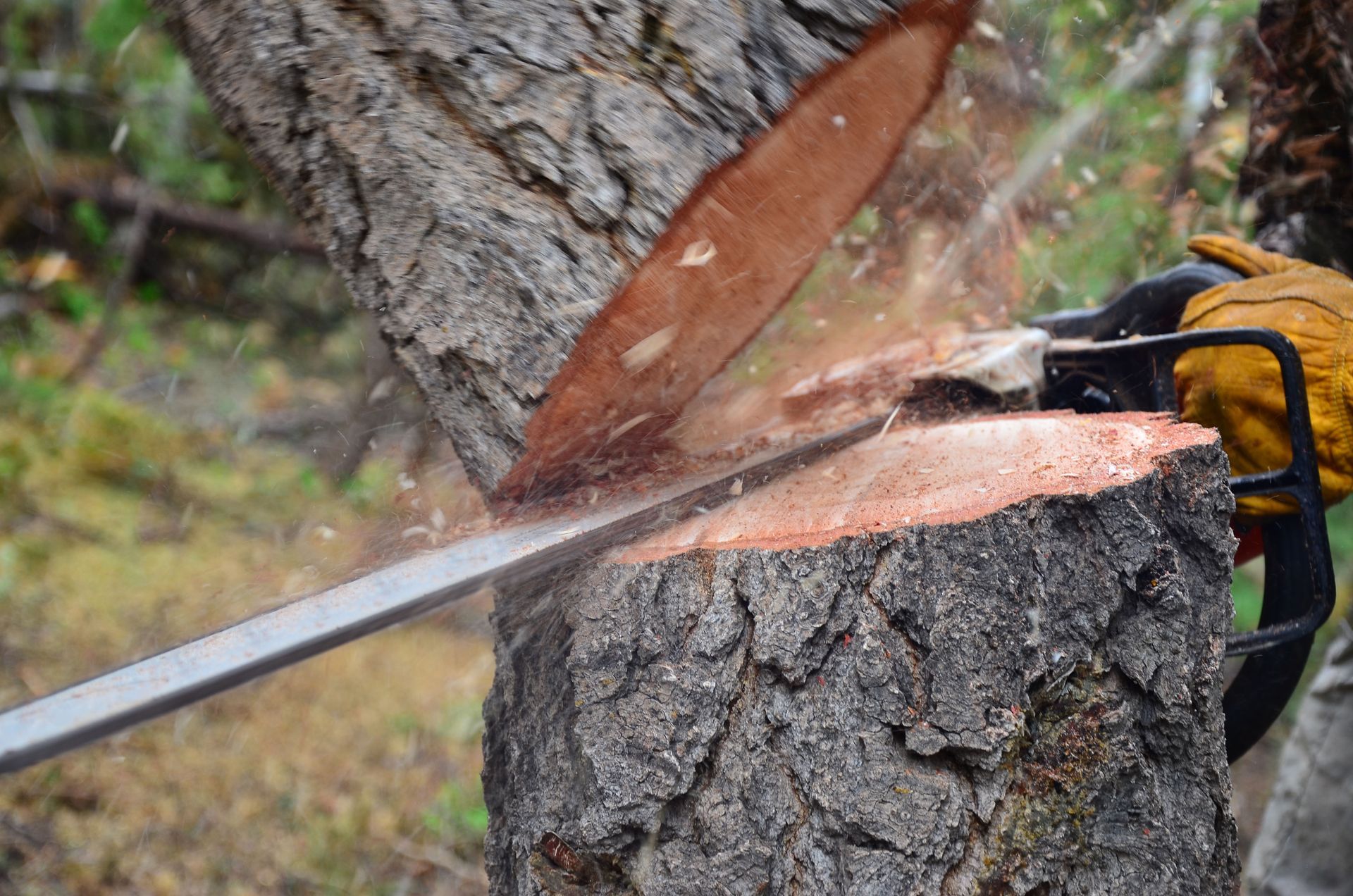
Large, heavy limbs always require careful multi-step cutting techniques so tearing bark never strips down the main trunk. Undercutting the limb first relieves downward tension, allowing the final top cut to release cleanly and leave a smooth surface ready to compartmentalize against decay.
Respecting Biological Limits During Canopy Reduction
Removing too much foliage at once shocks a tree, depletes its stored energy reserves, and triggers weak, rapid water sprouts. According to LawnStarter, industry guidelines advise against cutting away more than 30% of a living tree's foliage in a single growing season. Staying safely beneath this threshold preserves the plant's ability to photosynthesize, regulate moisture, and heal cleanly without entering survival mode.
Gradual adjustments spread across multiple seasons yield far better structural results than aggressive, heavy-handed cutting. Thoughtful tree pruning respects natural biology, allowing the canopy to adapt steadily to increased sunlight and wind movement without experiencing bark sunscald or root starvation. Mature and stressed trees especially need conservative foliage retention so their energy budgets stay positive.
Over-thinning leaves smooth, thin-barked species vulnerable to intense afternoon sun, which can blister living cambium tissue and invite secondary pests. Working within safe biological limits keeps protective leaf cover intact while still opening crucial channels for steady cross-breezes.
Maintaining Long-Term Canopy Health And Airflow
Consistent care keeps an open, resilient canopy from reverting into a tangled, overgrown hazard over time. Periodic inspections allow you to catch minor crossing shoots, storm-damaged twigs, and dense clusters early, when small hand cuts can resolve the problem effortlessly. Young trees especially benefit from early structural training that establishes wide, strong branch angles and a clear central leader from the start.
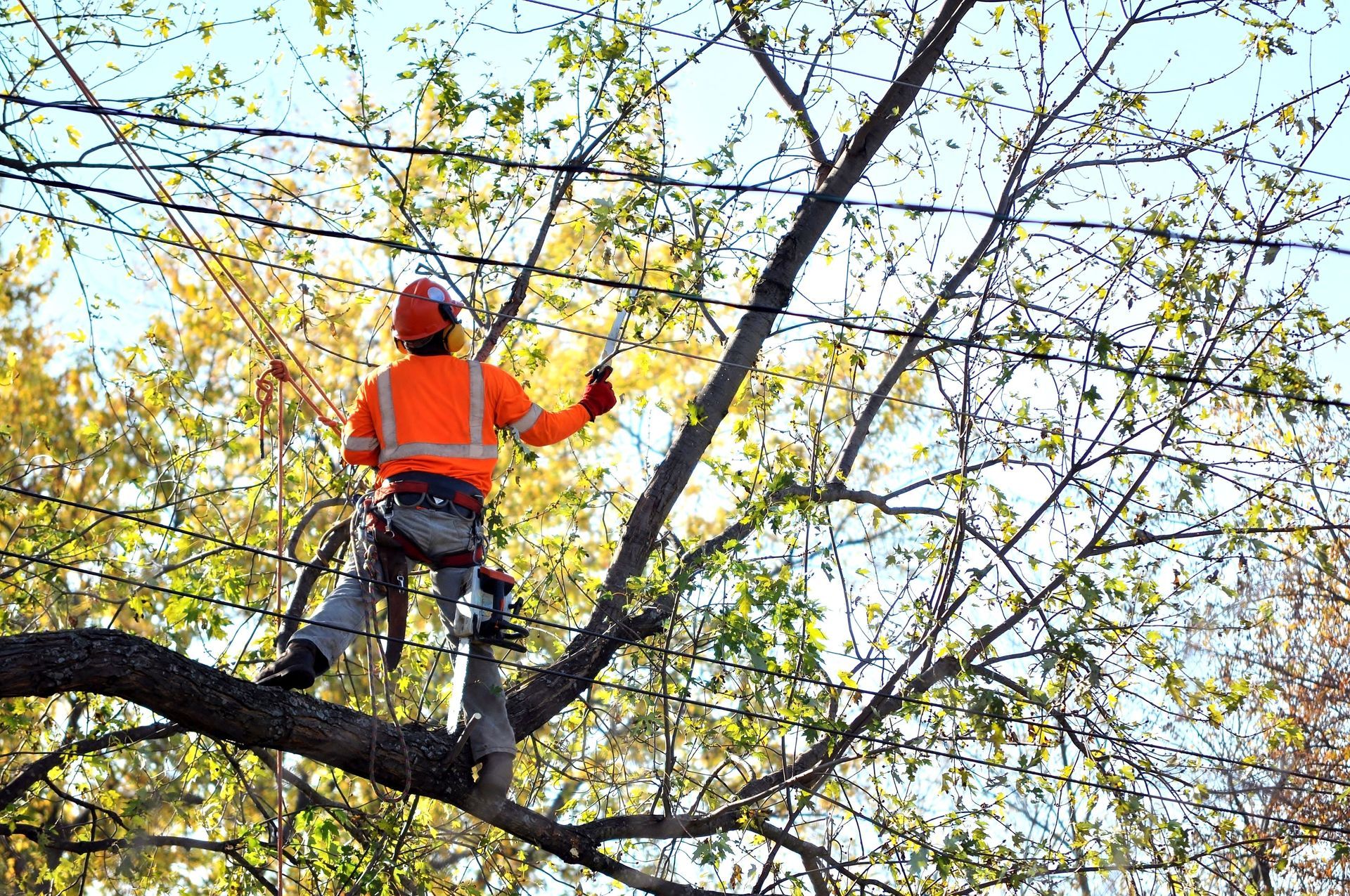
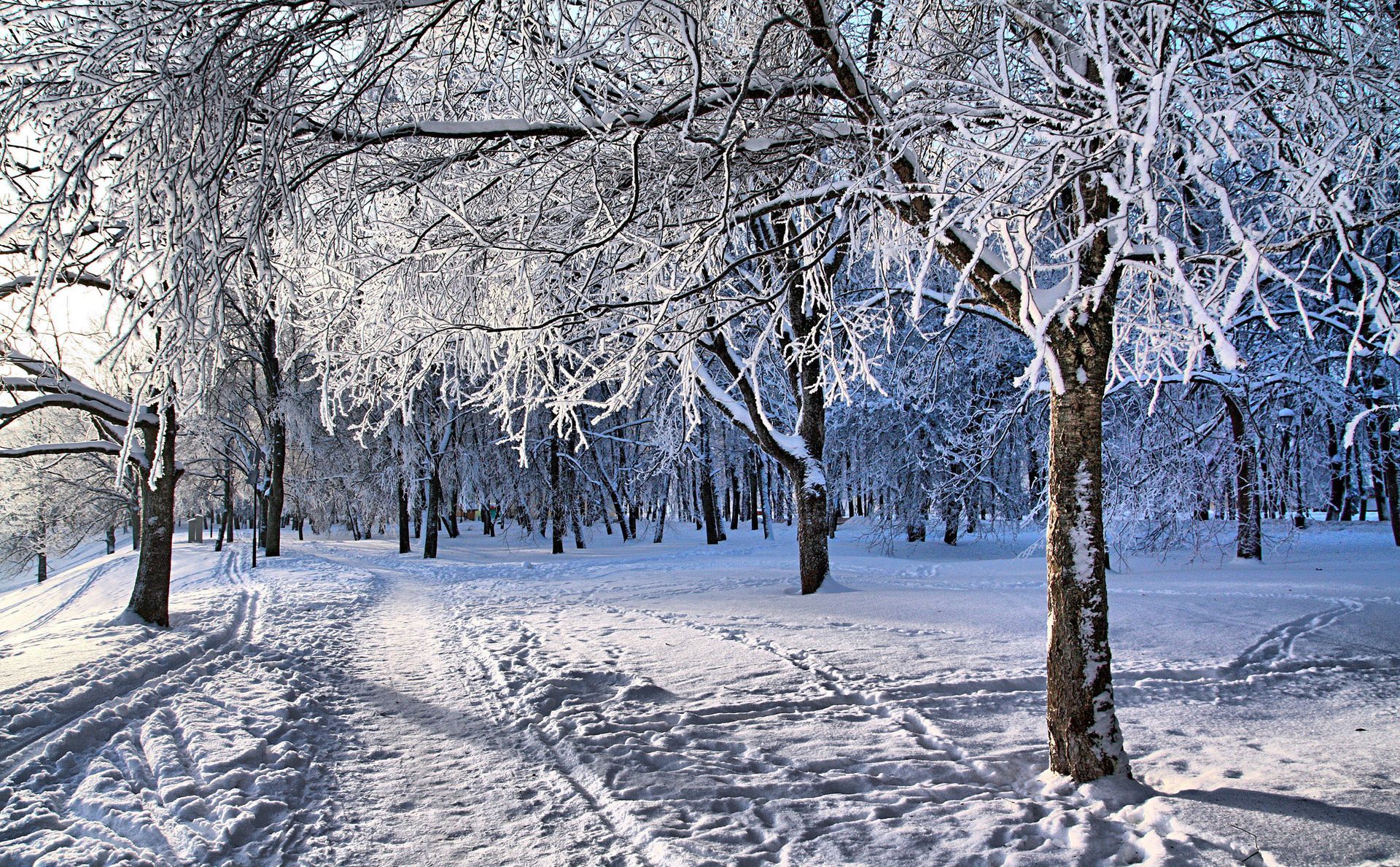
Scheduling maintenance during the dormant season often allows arborists to see bare branch architecture clearly without leaves obscuring structural flaws. Cold-weather cuts also minimize sap loss and reduce the risk of attracting pests or airborne fungal spores that thrive in warm, humid weather. Consulting an experienced arborist ensures your tree pruning schedule aligns with each species' unique growth cycle and local climate conditions.
Investing in proactive tree pruning enhances property value, promotes vibrant turf underneath your shade trees, and extends the lifespan of your landscape assets. Healthy air circulation and balanced sunlight work together to keep foliage lush, disease-resistant, and structurally sound throughout every season.
Ready to restore sunlight, airflow, and lasting structural strength to your overgrown trees? Contact the local experts at Rice's Tree Service & Landscaping today to schedule your comprehensive property assessment and professional tree pruning service!


Share On: