Structural Decay Risk Factors Requiring Immediate Tree Removal
This is a subtitle for your new post
Trees are essential components of our ecosystems, providing countless environmental benefits and contributing to our overall well-being. However, it is crucial to recognize that some trees, due to structural decay, may pose significant risks to property and personal safety. Immediate tree removal of such compromised trees is necessary to mitigate potential hazards, and understanding the factors contributing to structural decay is vital for timely intervention.
Recognizing Signs of Structural Decay in Trees
Spotting Indicators of Weak Tree Structure
Structural weakness in trees can manifest in several observable ways. Leaning trees, for instance, may indicate root damage or uneven weight distribution, both of which can compromise stability. Cracks and splits in the trunk or branches also suggest that a tree's internal structure may be failing. It's important for property owners to conduct regular inspections, ideally after significant weather events, for these specific signs. According to the New York State Department of Environmental Conservation, you should conduct a 360° visual inspection of trees after a storm, looking for broken limbs, snagged or hanging limbs, newly tipped or leaning trees, and raised soil around the trunk, as these issues may need to be assessed by an arborist or tree care professional.
Understanding Fungal Growth and Its Implications
The presence of fungal fruiting bodies on a tree is a clear indicator of possible decay within. Different fungi species target specific tree parts, leading to structural weaknesses. For instance, mushrooms growing on trunks signal internal decay, whereas fungal growth around root zones can indicate compromised root systems. Recognizing these signs early allows for preventive measures to be implemented, reducing the need for emergency tree removal. Fungal infections can spread rapidly, weakening a tree over time and leading to increased susceptibility to other decay factors.
Evaluating the Role of Deadwood in Structural Integrity
Deadwood, if not removed, can significantly weaken a tree's structure, making it hazardous during storms or high winds. It can serve as an entry point for pests and diseases, accelerating the decay process. Regular pruning of deadwood at appropriate times of the year is essential to maintain overall tree health and safety. Deadwood's primary concern is its unpredictable breaking, potentially damaging property or endangering lives. By incorporating deadwood management into routine care practices, property owners can mitigate tree-related risks effectively.
Assessing Environmental and Climatic Effects on Tree Stability
Analyzing the Influence of High Winds on Weakened Trees
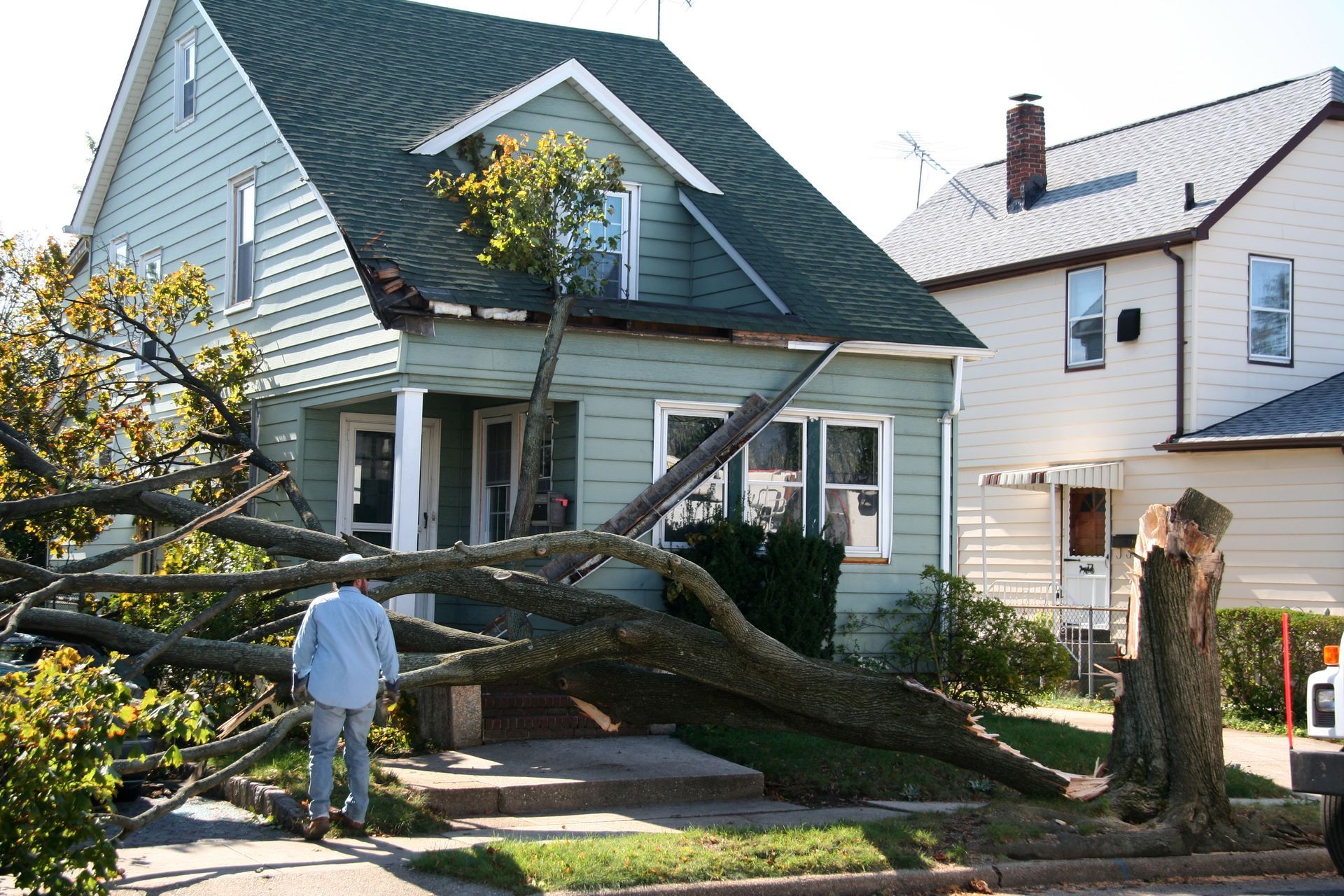
High winds exert tremendous force on trees, particularly those with pre-existing structural weaknesses. Weakened branches or trunks cannot withstand the stress, often leading to breakage. In such scenarios, assessing wind exposure annually helps identify and execute necessary tree removal for hazardous specimens before storms strike. The propensity for wind damage highlights the importance of maintaining tree health and resilience through regular maintenance and inspection. This proactive approach ensures that wind events do not turn potentially hazardous trees into actual threats.
Assessing the Effect of Soil Erosion on Tree Roots
Soil erosion around a tree's base can severely weaken or expose its root system, making it susceptible to toppling. Erosion might occur due to various factors, including water runoff, construction activities, or natural topographical changes. Understanding the environment that surrounds a tree and ensuring soil stability can protect roots from exposure and subsequent decay. When erosion is identified early, measures like soil reinforcement and adequate drainage systems can mitigate risks. Trees with compromised root systems, especially those on slopes, should be closely monitored due to their increased risk of collapse.
Evaluating the Impact of Excessive Rainfall and Flooding
Excessive rainfall can saturate soil, loosening its grip on root systems and leading to uprooting. Flooding further compounds this issue, weakening trees and increasing the risk of failure during subsequent storms or strong winds. Trees in flood-prone areas require additional attention to ensure they remain securely anchored. Effective water management around these trees, such as the use of plant swales or retaining walls, can minimize waterlogging effects. Addressing water concerns promptly can prevent the deterioration of tree structural integrity.
Examining Biotic Factors Accelerating Tree Decay
Identifying Insects and Their Contribution to Decay
Various insects, including beetles and borers, contribute to tree decay by burrowing into the wood and disrupting nutrient transport systems. These infestations often accompany other decay-causing factors, increasing tree vulnerability. In worst cases, insect activity may render a tree beyond saving, necessitating immediate tree removal to prevent further spread to healthy foliage. Monitoring insect activity closely enables early detection and resolution before significant damage occurs. Implementing integrated pest management techniques can reduce insect-related decay impacts effectively.
Understanding the Role of Fungal Pathogens
Fungal pathogens are primary agents of tree decay, often entering through wounds or tree surfaces. Specific fungi target certain tree parts, gradually compromising structural integrity. Detecting and managing these infections early allows for timely intervention, potentially saving valuable trees. Proper sanitation practices, such as removing infected plant material, minimize fungal spread risks. When left unmanaged, fungi can cause irreversible damage, warranting professional tree removal to safeguard surrounding structures and vegetation.
Recognizing Bacteria Presence as a Decay Indicator
Bacterial infections often accompany fungal activity, accelerating the decay process and challenging tree health management. Symptoms such as discoloration, foul odor, or slime flux signify bacterial presence, warranting immediate attention. Identifying bacterial infections early allows for appropriate treatment and mitigation strategies before severe damage occurs. These infections can weaken trees' structural integrity, compromising their overall stability. Professional assessment and monitoring ensure effective management and minimize potential hazards.
Evaluating Human Activities Contributing to Structural Weakness
Managing Construction Damage Affecting Tree Integrity
Construction activities close to trees can lead to physical damage, both aboveground and to root systems. Trenching, heavy machinery, and soil compaction are common culprits in weakening a tree's structural integrity. It is crucial to recognize construction impacts and take preventative measures like installing root barriers or establishing protective zones around trees. Collaboration between arborists and construction teams helps in mitigating potential harm to valuable trees during projects. Without proper precautions, construction damage can necessitate the tree removal of structurally compromised trees.
Correcting Improper Pruning Techniques
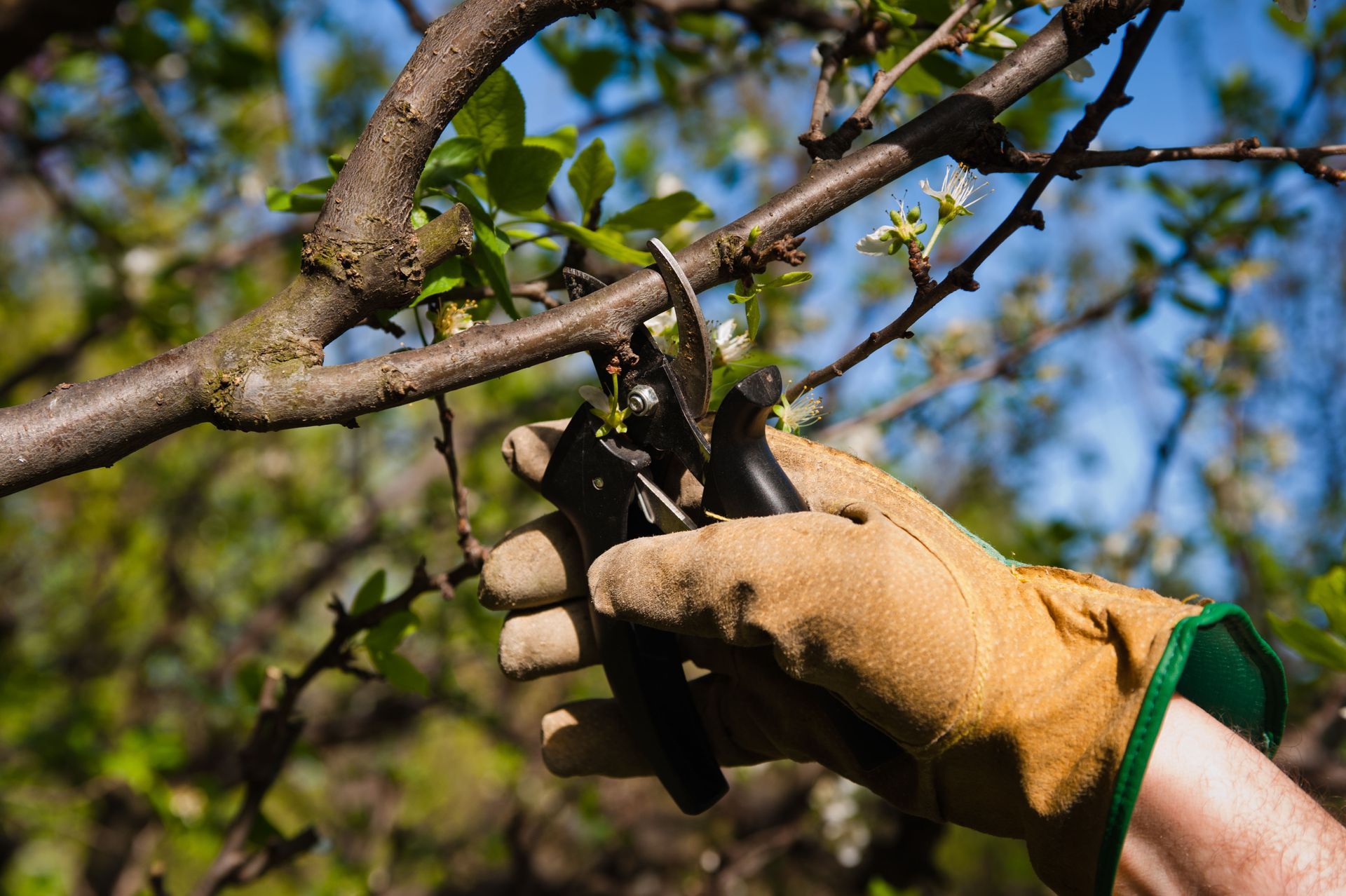
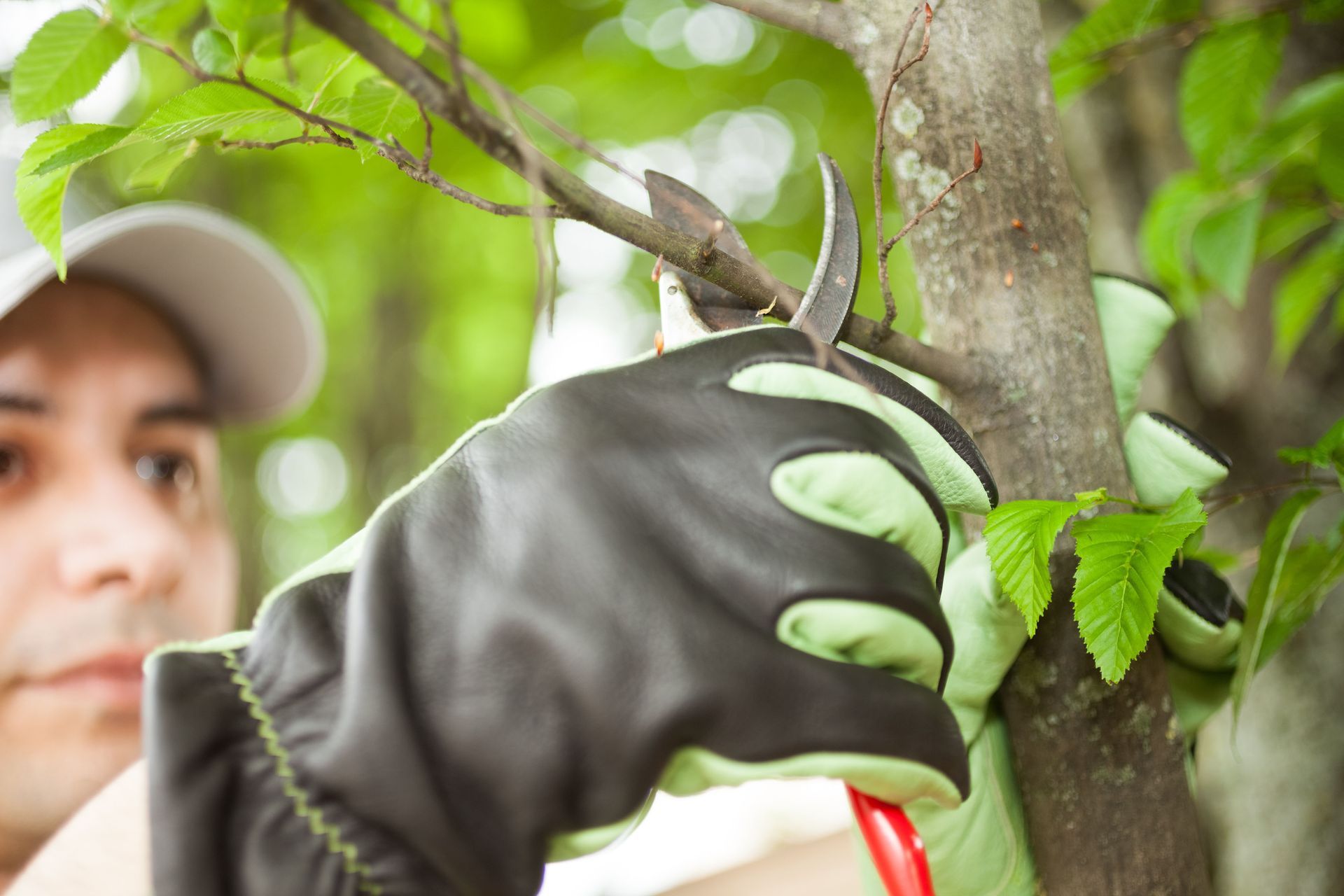
Pruning is vital for tree health and safety, but improper techniques can cause harm, promoting decay. Incorrect cuts may leave trees vulnerable to disease and pest invasion, weakening their structural integrity. Employing professional arborists ensures the use of proper pruning methods, maintaining trees' health and stability. Careful pruning practice reinforces tree structure, reducing risks associated with damage during extreme weather events. By fostering healthy growth through proper pruning, trees remain vital, integral components of landscapes.
Addressing Compaction of Soil around Tree Bases
Soil compaction, often due to pedestrian or vehicular traffic, restricts root growth and limits access to essential nutrients and water. Compacted roots promote weakened structure, increasing the chances of failure. Implementing support measures such as aeration or creating designated pathways mitigates compaction effects. Awareness of soil health and implementing avoidance strategies play a crucial role in preventing structural decay for trees in high-traffic areas. By preserving root health, the stability and longevity of trees are maintained.
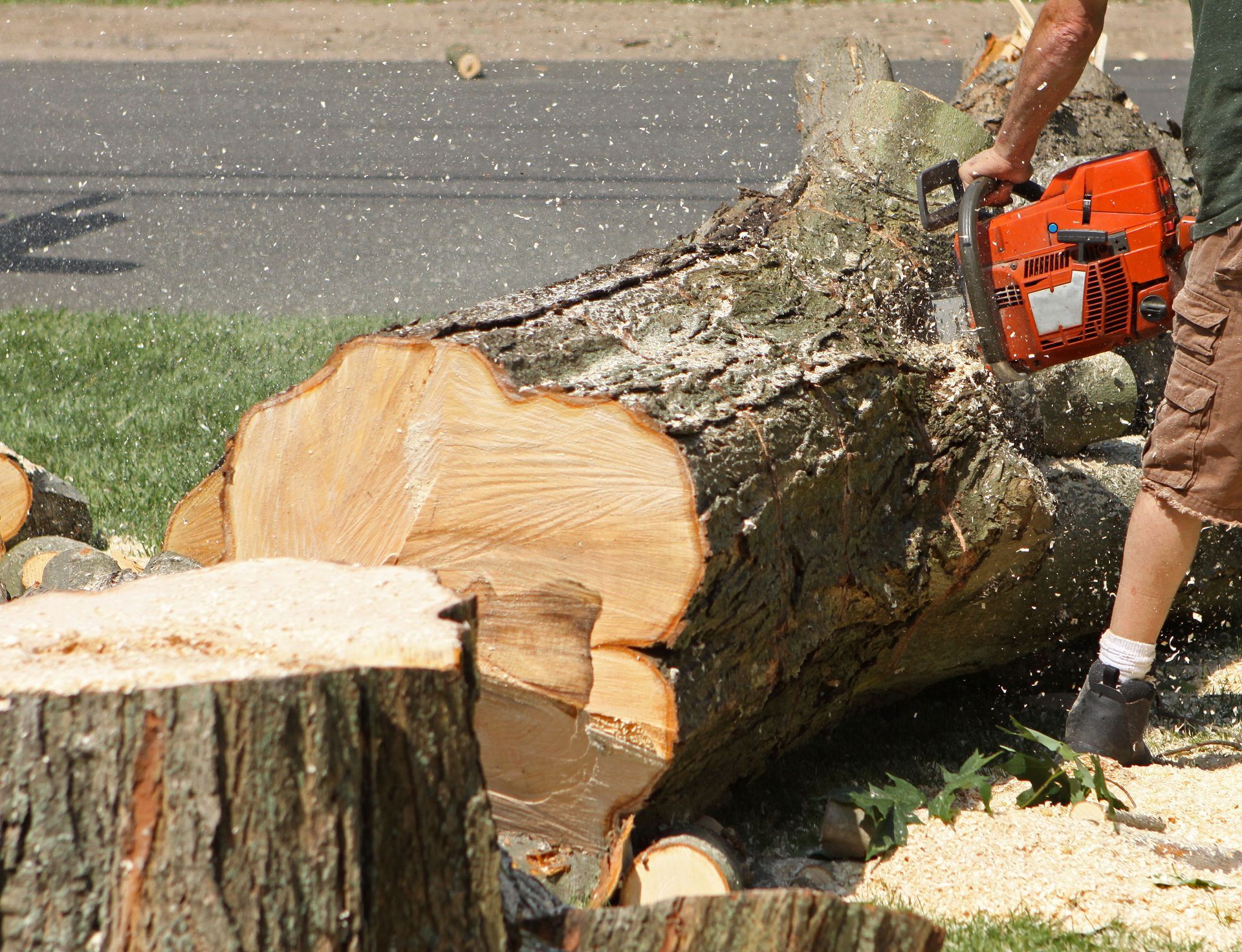
Understanding the signs of decay, including environmental, biotic, and human influences, equips property stakeholders with the insights needed for effective tree management. Regular assessments by experts, combined with proactive measures, ensure that safety, environmental, and financial interests are upheld. Unaddressed decay poses significant risks ranging from property damage to threats to human safety. When hazardous conditions threaten your landscape, scheduling a timely tree removal prevents dangerous falls and expensive property repairs. Taking action to perform necessary tree removal safeguards your yard, ensuring a clean and secure outdoor space.
Safeguard your property and restore peace of mind by contacting Rice's Tree Service & Landscaping today to schedule your comprehensive tree inspection and expert removal service!


Share On: