Structural Canopy Benefits Provided by Professional Tree Trimming Services
Maintaining the structural integrity, aesthetic appeal, and overall health of residential and commercial trees requires ongoing, specialized arboreal care. A well-managed overhead canopy does far more than enhance property beauty; it establishes a strong structural framework, prevents hazardous limb failure, and promotes optimal physiological development. Left unmanaged, dense or unbalanced tree crowns frequently develop structural defects, heavy competing leaders, and decaying branches that threaten surrounding structures and endanger property occupants. Investing in routine professional maintenance ensures that mature and growing trees develop stable architectures capable of withstanding severe weather conditions throughout every season of the year.
Skilled canopy management relies upon scientific arboricultural principles that balance immediate aesthetic goals with long-term biological health. Professional arborists evaluate branch attachment angles, weight distribution, foliage density, and growth patterns before making targeted corrective cuts. By strategically thinning dense crowns and eliminating problematic wood, expert care optimizes sunlight penetration and airflow throughout the inner canopy. Understanding the profound structural benefits provided by specialized crown maintenance empowers property owners to make proactive decisions that protect their landscape investments, elevate curb appeal, and ensure long-term environmental safety across their properties.
Promoting Balanced Weight Distribution
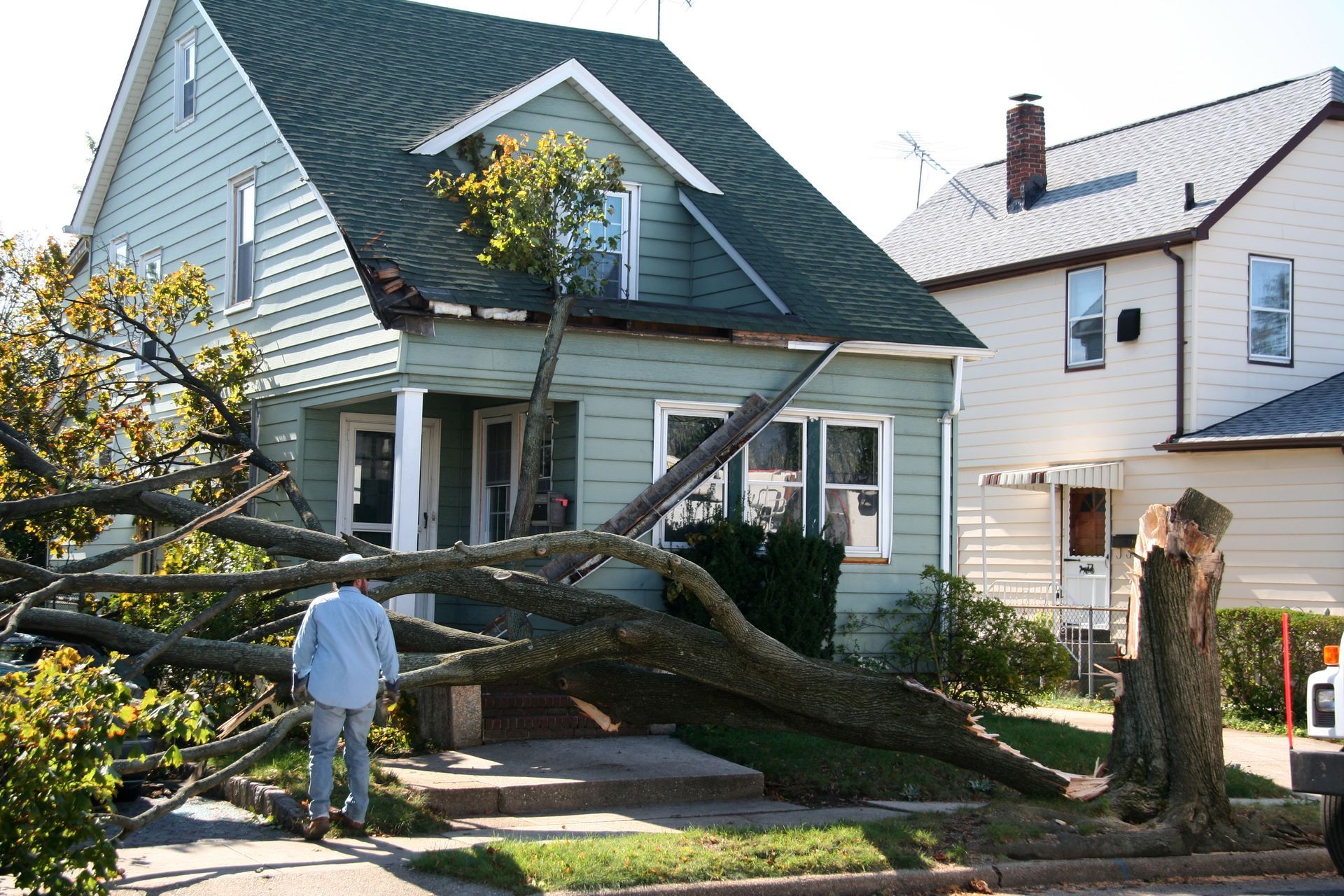
Promoting balanced weight distribution across major scaffolding limbs serves as a fundamental objective when optimizing upper crown structure. As trees grow naturally, certain branches often absorb excessive nutrients and sunlight, growing disproportionately heavy compared to neighboring limbs. Over time, this uneven weight distribution creates intense gravitational leverage, placing extreme mechanical stress on primary trunk attachments and increasing the likelihood of catastrophic limb breakage during unexpected weather events.
Specialized arborists carefully evaluate crown balance to identify overextended or end-heavy branches requiring targeted weight reduction. By making strategic reduction cuts at proper lateral branch junctions, professional tree trimming services redistribute weight more evenly across the primary framework. Rebalancing heavy crowns minimizes leverage strain at critical attachment points, allowing mature trees to maintain structural equilibrium during high winds and heavy storm events without suffering structural failure or severe trunk splitting.
Furthermore, proactive weight management guides youthful trees toward developing symmetrical, resilient branch frameworks early in their growth cycles. Early structural interventions prevent co-dominant trunks and weak attachment angles from developing into dangerous liability risks later in maturity. Establishing balanced architecture from early development through maturity ensures stable, sustainable growth and prevents premature structural decline for decades to come.
Eliminating Weak Attachment Angles
Identifying and correcting weak branch attachment angles protects structural integrity and prevents unexpected crown failure. When branches grow tightly together at narrow angles, bark often becomes trapped between the trunk and the branch base as both stems expand. This trapped bark prevents natural wood bonding, creating a structurally compromised joint that possesses little resistance against lateral wind stress or heavy ice accumulation during severe winters.
Arboricultural specialists meticulously inspect inner crowns to locate narrow crotches and included bark formations before they cause severe structural split events. Utilizing precise crown thinning techniques, professional tree trimming services remove weak competing leaders and favor branches with strong, U-shaped attachment angles. Eliminating narrow, weakly attached limbs directs growth energy into sturdy branch unions capable of supporting heavy foliage loads safely.
Addressing weak attachment points early prevents splitting along main trunks, which frequently introduces severe decay pathogens directly into heartwood areas. Supporting strong attachment geometry protects the structural core of the tree, prolonging lifespan while significantly reducing emergency hazards around homes, driveways, utility lines, and outdoor living areas across residential communities.
Improving Internal Canopy Ventilation
Enhancing internal airflow within dense tree crowns plays a vital role in preserving both structural stability and overall physiological vigor. Dense, overgrown foliage acts like a sail during severe windstorms, trapping high-velocity wind currents and exerting immense pressure on root systems and main trunk structures. Thinning dense inner foliage allows strong wind gusts to pass harmlessly through the crown, dramatically reducing overall wind resistance and catastrophic overturn risks.
In addition to reducing storm leverage, improved canopy ventilation accelerates foliage drying following heavy rain events. According to HomeAdvisor, trimming a tree every three to five years maintains its health and proper growth. Regulating foliage moisture levels suppresses fungal spore germination and prevents destructive leaf blights from spreading rapidly throughout dense inner branch networks.
Sustained air circulation also discourages wood-boring insects and damp-loving pests from establishing colonies within shaded, humid inner branches. By removing crowded, crossing, or interior sucker growth, arborists create open, breathable canopy structures that foster long-term disease resistance, robust leaf development, and superior wind resistance during extreme weather conditions.
Elevating Sunlight Penetration Levels
Maximizing light exposure throughout all layers of a tree crown is essential for sustaining balanced foliage growth and inner branch vitality. When upper branches grow overly thick and unmanaged, they block vital sun rays from reaching lower and interior limbs. Deprived of sunlight, inner leaves fail to perform photosynthesis, causing inner branches to decline, die, and ultimately become structural fall hazards over time.
Arborists utilize selective crown thinning to open light channels through dense upper foliage layers. Integrating professional tree trimming services allows natural sunlight to filter down into inner and lower canopy regions, stimulating healthy dormant buds and promoting uniform foliage distribution. Evenly distributed leaf mass ensures that energy production occurs throughout the entire tree structure rather than solely at outer branch tips.
Proper sunlight exposure also benefits understory turf grass, ornamental shrubs, and garden beds positioned beneath mature trees. Allowing filtered light to reach ground levels eliminates deep shade, helping residential lawns thrive while maintaining healthy soil biology. Balanced sun penetration creates a vibrant, multi-layered landscape environment surrounding mature shade trees and property features.
Removing Decaying Branch Hazards
Removing dead, dying, diseased, or broken limbs serves as a critical maintenance protocol for eliminating immediate property hazards. Dead branches undergo rapid decomposition, losing structural wood strength and becoming unpredictable fall risks that can drop without warning. Environmental stressors such as drought, pest infestations, and winter freezing routinely cause individual branches to die within otherwise healthy crowns.
Arborists conduct thorough hazard evaluations to identify decaying wood, fungal fruiting bodies, and hollow limbs tucked deep within upper foliage. Engaging professional tree trimming services ensures that dead and diseased branches are removed cleanly using proper pruning techniques that protect healthy branch collars. Clean removal prevents decay organisms from migrating inward into primary structural trunks and causing systemic interior decay.
Eliminating hazardous wood protects family members, vehicles, roof structures, and power lines from costly impact damage. Regular removal of declining limbs also prevents wood-boring beetles and decay fungi from using dead branches as breeding grounds to attack healthy tissue. Systematic hazard mitigation preserves structural health while maintaining a safe, secure outdoor environment for property owners.
Establishing clear growth frameworks early reduces the need for aggressive, large-diameter cuts later in the tree's lifespan. Proactive structural training creates clean, predictable canopy shapes that harmonize with built environments, avoiding costly structural damage while maximizing long-term shade benefits and aesthetic beauty across property landscapes.
Investing in comprehensive structural canopy maintenance provides lasting benefits that extend far beyond simple aesthetic improvements. From balancing weight distribution and strengthening branch unions to improving air ventilation, boosting sunlight penetration, removing hazard wood, and steering future growth, professional arboricultural care protects both tree health and property values. At Rice's Tree Service & Landscaping, we stand dedicated to delivering superior arboreal care, structural pruning, and complete landscape safety for your home or business. Contact our experienced team today to schedule your comprehensive canopy evaluation and take the first step toward a safer, healthier landscape.

Share On: