
Seasonal Tree Care Tips for Homeowners
Maintaining healthy and vibrant trees in residential settings requires understanding the importance of seasonal tree care. Trees offer a multitude of benefits, including aesthetic appeal, shade, and enhanced property value. Different seasons bring varying challenges and needs for trees, affecting their growth, health, and overall vitality. Ensuring that trees receive proper care across the seasons helps homeowners cultivate a robust landscape, extending both beauty and longevity. Here are a few trips for handling your trees in each season and why hiring professional local tree care services can make a big difference.
Winter Tree Care
Winter presents numerous challenges for trees, including the risk of frost damage. During cold months, the dormant state of trees makes them susceptible to sudden frost, which can damage branches, bark, and roots. To protect your trees, local tree care companies use frost cloths or wraps, especially for young or sensitive species. Additionally, avoiding certain practices, such as pruning too late in the fall, can prevent exposure to frost-related damage. Taking early preventive measures ensures trees remain resilient, supporting overall tree health until the warmth of spring arrives.
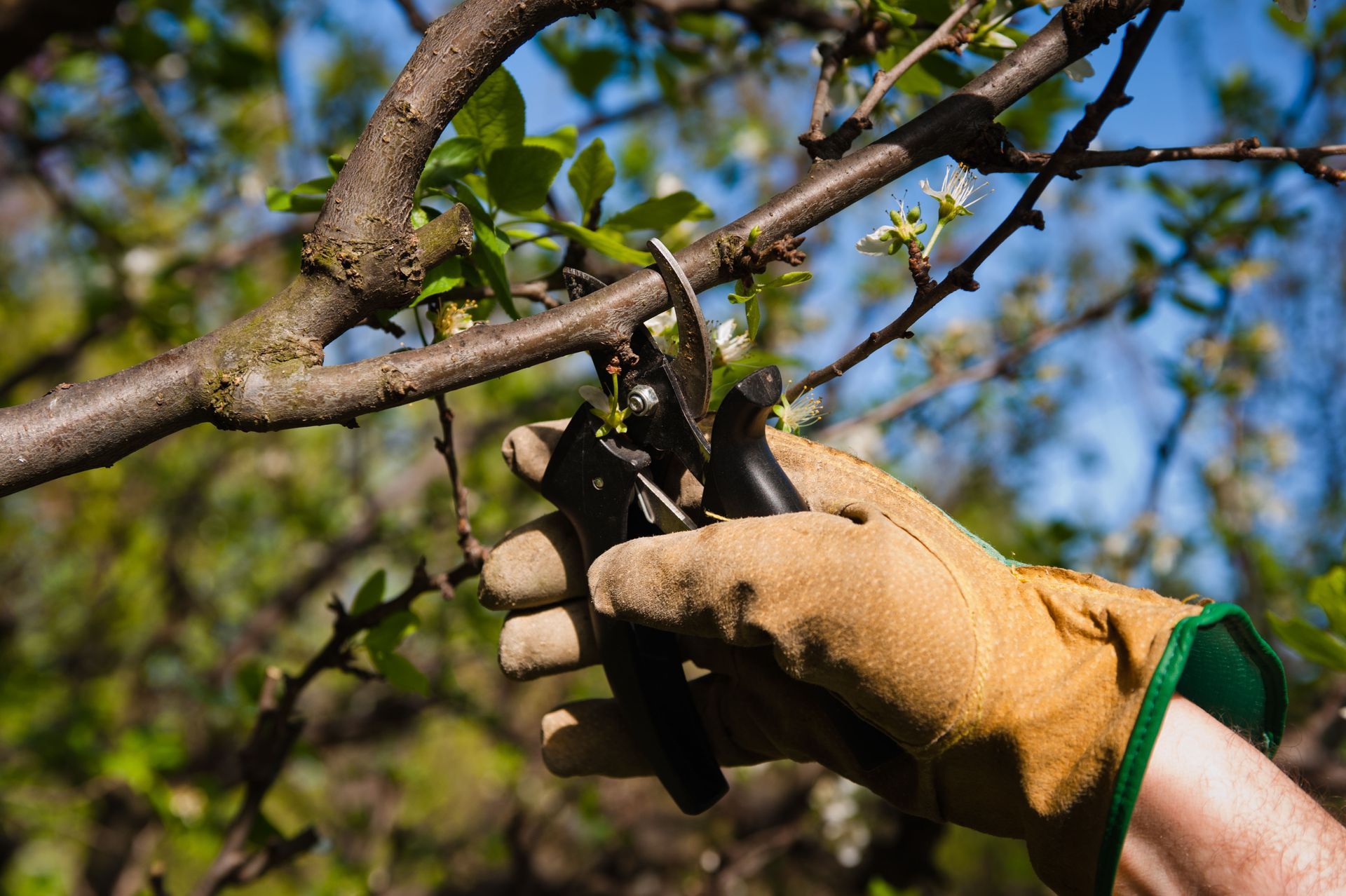
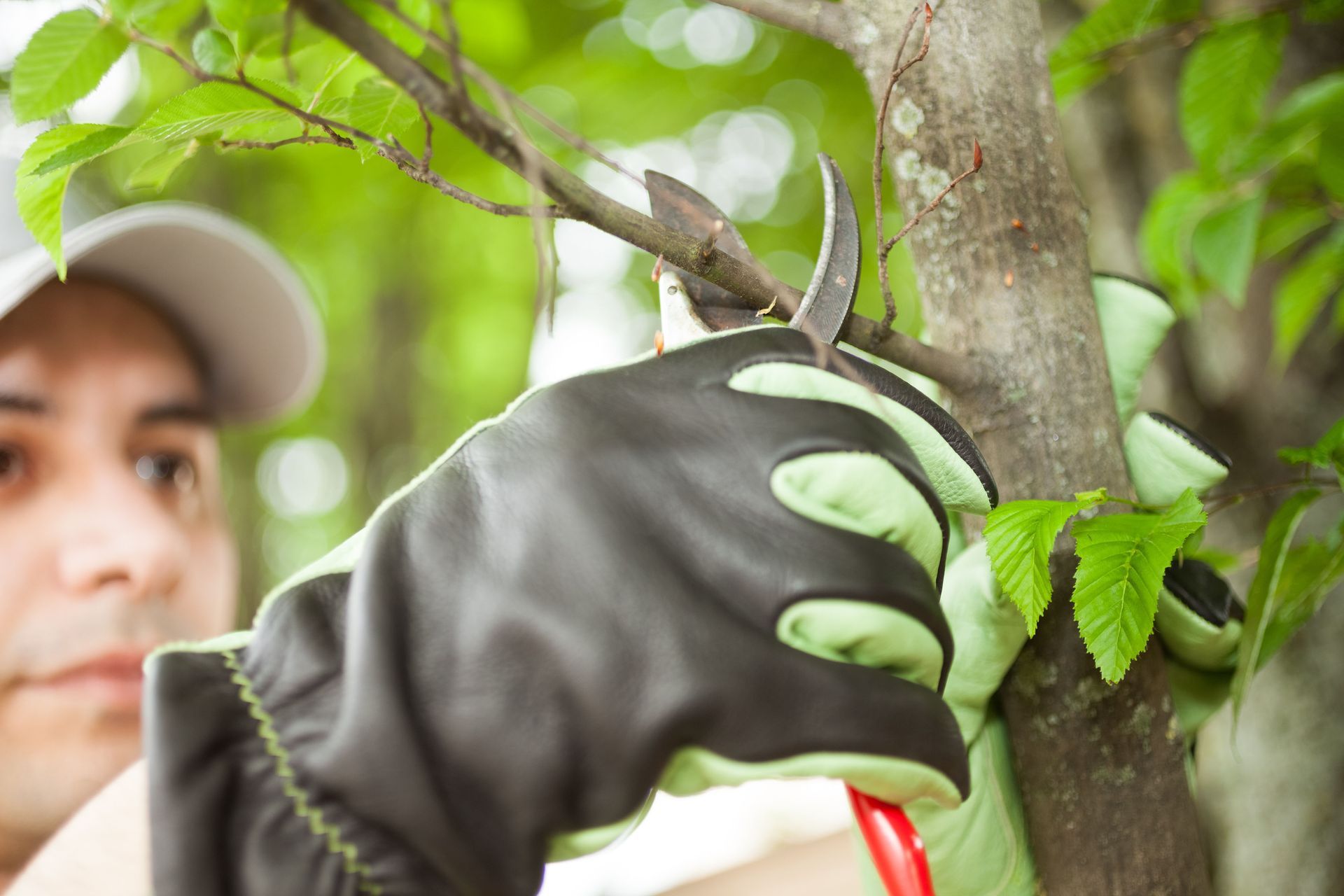
Winter is an optimal time for pruning, as trees are in a dormant state and less vulnerable to stress. Pruning during this period helps in removing dead, diseased, or weak branches, which can otherwise invite pests or diseases. It also allows for shaping the tree, improving both structure and aesthetics. Correct pruning techniques encourage healthy growth patterns and prepare the tree to produce more vibrant foliage in the spring. Proper pruning, performed with the right tools, reduces the chance of introducing pathogens, ensuring the longevity and health of your trees.
Even when trees appear dormant in winter, their root systems continue to require moisture for proper functioning. Reduced transpiration during colder months means trees need less water, yet it's crucial not to let the soil dry out completely. Deep watering just before the ground freezes helps maintain adequate moisture levels in the soil throughout winter. Monitoring weather conditions and adjusting watering schedules accordingly will safeguard against potential dehydration.
Mulching around the base of trees is an effective technique to retain necessary moisture during winter months. Organic mulch, such as shredded bark or leaves, acts as an insulating layer, protecting roots from extreme temperatures. It also minimizes water loss by reducing evaporation, helping to maintain consistent soil moisture levels. Moreover, mulch breaks down over time, enriching the soil with valuable nutrients.
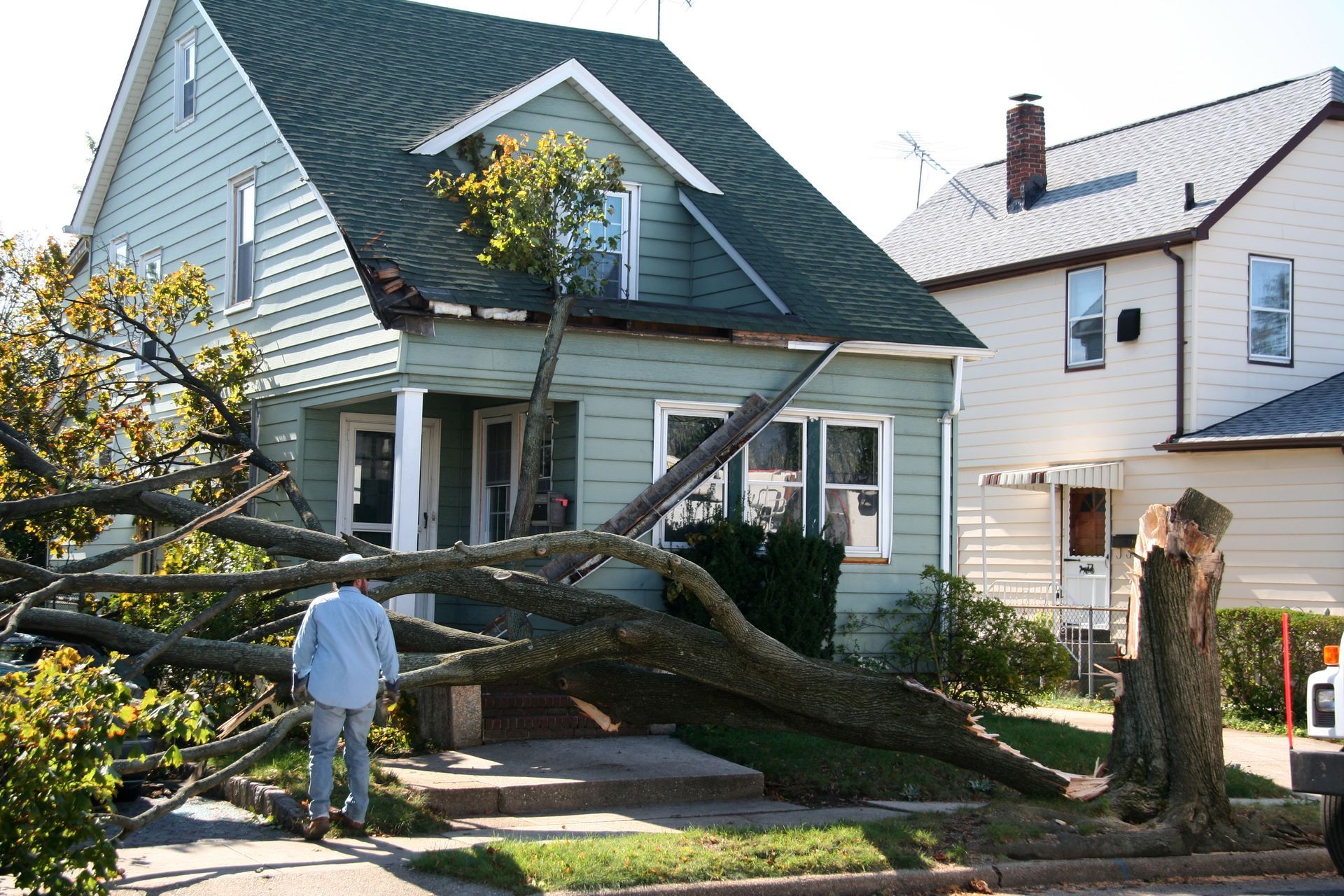
Heavy snow and ice accumulation can lead to branch breakage and stress on tree structures. To minimize damage, gently brush off any accumulated snow with a broom, avoiding using sharp tools that could injure branches. For ice, it's generally best to let it melt naturally, as attempting to remove it forcefully can cause more harm. Regularly inspecting trees for heavy snow or ice load and taking action when needed helps protect their structural integrity.
Spring Tree Care
As trees emerge from winter dormancy, spring signals the time to address potential pest and disease issues. Early detection of symptoms such as discolored leaves or unusual growth patterns is vital for effective management. Regular inspections from a local tree care company can catch any problems that may have arisen in the winter and help prevent your tree's health from worsening. By consulting local extension services or certified arborists, homeowners can identify the specific pests or diseases affecting their trees. Early intervention ensures trees remain healthy and can flourish as temperatures rise and growth accelerates.
Spring is the prime season to provide trees with the nutrients they need for robust growth. Fertilizers rich in nitrogen, phosphorus, and potassium promote healthy root development and vibrant foliage. Applying fertilizers just as trees begin to exhibit new growth ensures optimal absorption and utilization. Careful assessment of soil nutrient levels can guide appropriate fertilization practices, enhancing tree vigor. Consequently, correctly timed fertilization efforts improve tree vitality, helping trees withstand challenges throughout the year.
Spring is an ideal time for planting new trees, as warmer temperatures promote root establishment before the heat of summer. Selecting species suited to your local climate and soil conditions is crucial for successful planting. Digging appropriately sized holes that encourage healthy root expansion is essential for proper tree development. Additional considerations, such as avoiding excessive soil packing and ensuring proper tree support, play integral roles in the planting process. Thoughtful planting techniques foster the growth of resilient trees, contributing to a thriving landscape.
Summer Tree Care
Summer heat poses a significant challenge to trees, requiring effective watering strategies to maintain their health. Deep watering techniques are preferable, encouraging roots to grow deeper into the soil, which improves drought resistance. Monitoring soil moisture levels can prevent overwatering, avoiding conditions conducive to root diseases. Tailoring watering frequency and volume to individual tree species and local weather patterns is vital for sustaining tree vitality.
Proper pruning during summer from a professional local tree care service is important for enhancing both airflow and light penetration, vital elements for tree health. Thinning excessive growth can help prevent fungal diseases by allowing more sunlight to reach inner branches. It also aids in reducing wind resistance, lowering the risk of damage during summer storms. Knowing how much to prune is important, and is best left to professional arborists who can help balance light and heat.
Recognizing symptoms of heat stress, such as wilting, leaf scorch, or yellowing leaves, is pivotal in preserving tree health. Prompt identification allows for timely interventions, such as adjusting watering schedules or providing additional shade. Understanding specific tree species and their heat tolerance thresholds aids in implementing effective countermeasures. According to the U.S. Forest Service, strategically placed trees can significantly reduce energy costs, saving homeowners up to 56% on annual air-conditioning expenses, so it's important to maintain your trees in a way that helps protect your home. With informed care, homeowners can mitigate the effects of extreme heat, safeguarding the wellbeing of their trees.
Fall Tree Care
Fall serves as a valuable period for assessing any structural damage that might have occurred during the growing season. Look for signs of cracked trunks, broken branches, or diseased limbs, addressing these issues promptly to prevent further harm. Regular inspections followed by targeted interventions maintain tree integrity and reduce potential hazards. Consulting with arborists for expert evaluation and treatment can prevent costly property damage or personal injury due to failing trees. This vigilant approach ensures trees enter winter with a strong structure, poised to withstand seasonal challenges.
As trees prepare for dormancy, fall is an appropriate time for fertilizing to promote readiness for the forthcoming winter months. Fertilizers formulated for this season emphasize nutrients aiding root strengthening and energy storage. Proper fertilization supports healthy tree metabolism, even as the tree undergoes a transition into dormancy. By boosting nutrient reserves, homeowners optimize tree endurance, setting the stage for vigorous spring growth. Thoughtful application of fall fertilizers enhances tree resilience and overall health, equipping trees to thrive across harsh conditions.
Fall's vibrant leaf drop prompts thorough leaf cleanup efforts to prevent soil health deterioration. Accumulated leaves can harbor pests or diseases if left unchecked, underscoring the importance of thorough removal. Utilizing a combination of rakes, leaf blowers, and mulchers facilitates efficient leaf removal and recycling. Composted leaves return valuable nutrients to the soil, encouraging healthy root development and improved soil structure.
Regular seasonal tree care is pivotal in cultivating healthy, vibrant trees that contribute beauty and value to any landscape. Each season presents distinctive challenges and opportunities for promoting tree resilience and growth. From winter protection to summer watering strategies, cultivating comprehensive tree care reinforces their role as steadfast cornerstones of your outdoor environment. To learn more about
local tree care options and taking care of your trees throughout the year, reach out to Rice's Tree Service and see what we can do for you.



Share On: