
How Trees Improve Property Value and Neighborhood Appeal
Trees are more than just beautiful additions to a neighborhood—they are valuable assets that enhance property value, community well-being, and environmental sustainability. Thoughtful tree care not only beautifies spaces but also provides measurable economic, social, and ecological benefits. From energy savings to mental health improvements, the presence of well-maintained trees can transform a property and its surrounding community. They influence buyer perception, improve outdoor comfort, and even foster stronger social connections. Understanding how trees impact neighborhoods is essential for homeowners, investors, and urban planners alike. This article explores the multifaceted benefits of trees and offers insights into maximizing their positive effects through proper tree care.
Boost Property Values Through Tree Care
Trees have a direct and measurable impact on real estate prices. According to the Niskayuna Tree Council, healthy mature trees can increase a home’s value by an average of ten percent. This added value comes from the aesthetic appeal and sense of permanence trees provide, making properties more attractive to buyers. Tree-lined streets signal stability, care, and community pride, which draws potential homeowners and encourages faster property sales.
Energy efficiency is another economic advantage provided by trees. Well-placed trees offer shade during the summer, reducing air conditioning costs, and act as windbreaks in the winter, conserving heating energy. These savings are attractive to buyers in markets increasingly focused on sustainability and energy efficiency. Rental properties also benefit from tree care, as tenants often prefer tree-filled neighborhoods and are willing to pay higher rates for well-landscaped surroundings. Mature trees reduce soil erosion, stabilize landscapes, and decrease the need for costly yard maintenance, further enhancing a property’s financial appeal. Investing in trees, therefore, becomes an investment not just in beauty but in long-term economic stability.
Beyond individual property gains, neighborhoods with significant tree coverage experience higher overall real estate demand. Homes surrounded by greenery are perceived as safer, cleaner, and more prestigious. Communities that prioritize tree care also enjoy enhanced curb appeal, making them more resilient in fluctuating housing markets. Over time, this can translate to stronger property value appreciation and a sense of pride among residents.
Enhance Environmental Sustainability
Trees are vital for creating healthier, more sustainable neighborhoods. They improve air quality by filtering pollutants, producing oxygen, and sequestering carbon dioxide. Through photosynthesis, trees help mitigate climate change and improve the quality of life for urban residents. Communities that prioritize tree care ensure that this natural air filtration continues uninterrupted, providing measurable health benefits to all who live nearby.
Trees also combat the urban heat island effect, a phenomenon where cities experience higher temperatures due to concrete, asphalt, and other heat-retaining surfaces. By providing shade and cooling the air through evapotranspiration, trees lower surrounding temperatures, reduce reliance on air conditioning, and protect residents from heat-related health issues.
Additionally, trees manage stormwater by absorbing rainfall and reducing runoff, easing the burden on municipal drainage systems. They create habitats for birds, insects, and small mammals, supporting local biodiversity even in urban settings. Strategic tree care ensures these environmental benefits are sustained over time, helping communities balance development with ecological responsibility.
Foster Social and Psychological Well-Being
Beyond physical and economic benefits, trees enhance social cohesion and mental health. Green spaces with well-maintained trees provide inviting areas for residents to gather, walk, or engage in community events. The presence of trees in parks, streetscapes, and communal spaces fosters a sense of belonging and neighborhood pride. This sense of connection often translates to safer, more harmonious communities.
Exposure to trees and natural environments also reduces stress and promotes psychological well-being. Studies consistently show that individuals living near green spaces report lower levels of anxiety, depression, and mental fatigue. Natural surroundings provide restorative experiences that urban concrete environments rarely offer. Well-kept trees encourage outdoor exercise such as walking, jogging, or cycling, which further contributes to physical health and social interaction. Communities that invest in tree care are therefore investing in the holistic well-being of their residents, improving both mental resilience and social cohesion.
Trees also serve an educational purpose, particularly for children. Neighborhoods with diverse tree species offer opportunities to learn about nature, seasonal changes, and local ecosystems. Engaging youth in tree care programs or community planting initiatives fosters environmental stewardship and encourages civic responsibility. These experiences cultivate lifelong appreciation for trees and the environment, reinforcing the social value of urban forestry.
Elevate Neighborhood Aesthetics
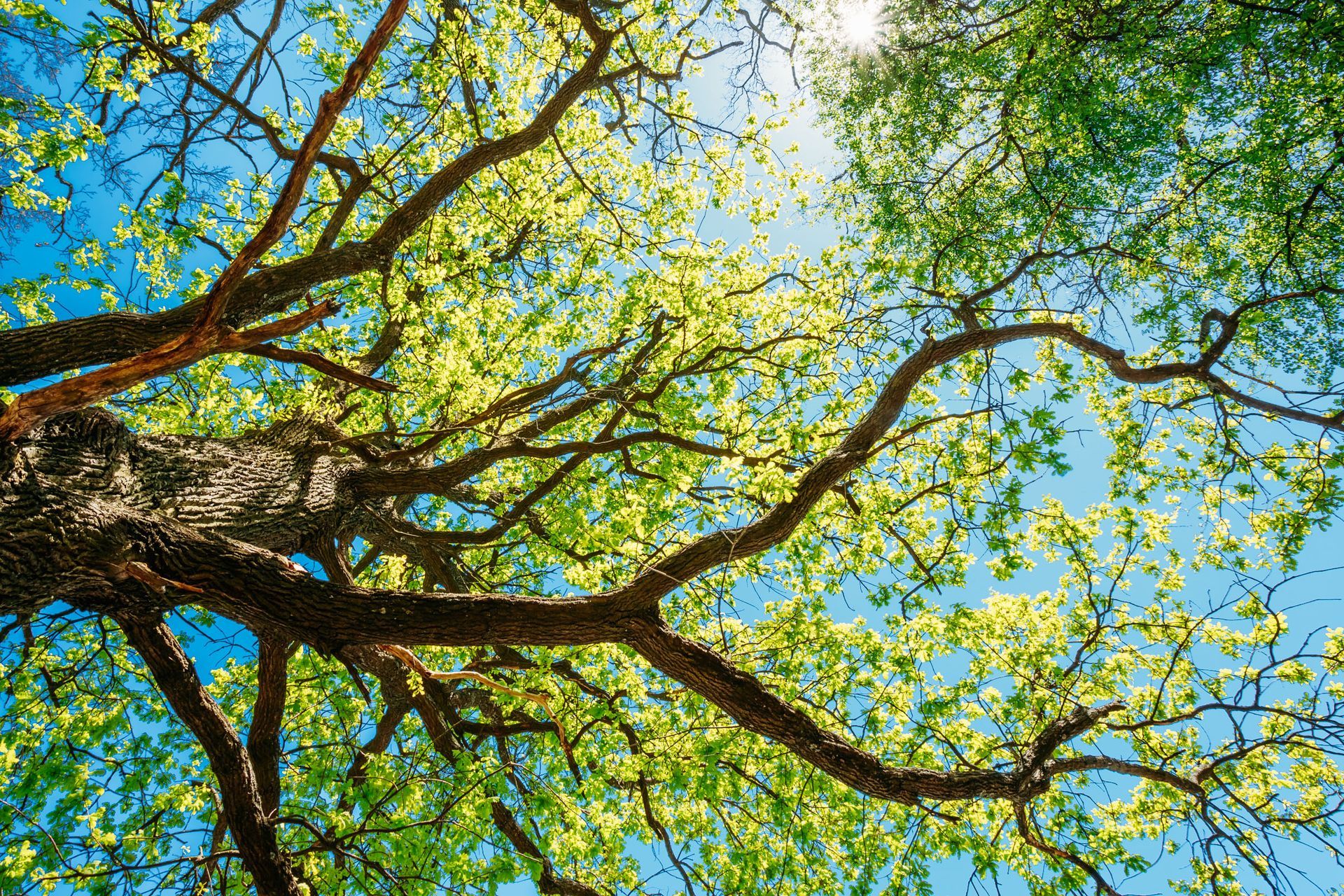
The aesthetic appeal of trees is immediately noticeable and widely appreciated. Seasonal changes—from spring blossoms to autumn foliage—create dynamic, ever-changing landscapes that enhance neighborhood beauty. Proper tree care ensures that trees remain healthy, symmetrical, and visually appealing throughout the year. Well-maintained trees can highlight architectural features, frame views, and provide a sense of natural balance that complements built environments.
Trees also help define a community’s identity and character. Mature trees and established landscapes convey history, permanence, and prestige. They become landmarks that create memorable streetscapes and instill pride among residents. Strategically planted trees provide privacy, seclusion, and noise buffering, enhancing both comfort and functionality. Tree care maintains these benefits, making neighborhoods more desirable to homeowners, investors, and visitors alike.
Secure Long-Term Investment Value
Investing in trees is an investment in long-term property and community value. Unlike other improvements that may depreciate, trees continue to grow, increasing in aesthetic and economic value over time. Neighborhoods with substantial tree coverage demonstrate resilience in property markets, offering more stable investment opportunities and consistent demand from buyers. Proper tree care ensures these investments remain intact for decades.
Trees also support sustainable real estate development. Green spaces signal environmental responsibility, attracting buyers who prioritize eco-friendly living. By integrating tree care into development plans, communities ensure that these benefits are preserved for future generations. Trees teach the importance of ecological stewardship, contributing to heritage and intergenerational sustainability. In this way, they provide lasting returns not only economically but also socially and environmentally.
Furthermore, neighborhoods with mature trees often maintain higher home resale values, even during economic downturns. The combination of aesthetics, energy savings, and psychological benefits makes properties more desirable and competitive in the market. Communities that invest in tree care enjoy a cumulative effect, where both individual property values and overall neighborhood appeal increase over time.
Maximize Tree Impact Through Strategic Care
To fully realize the benefits of trees, careful planning and maintenance are essential. Selecting species suited to local soil, climate, and space ensures long-term health and maximizes ecological and economic returns. Native species are particularly advantageous because they require less maintenance, support local biodiversity, and adapt well to changing environmental conditions. Diversity in plantings protects against widespread loss due to disease or pests, emphasizing the importance of sustained tree care.
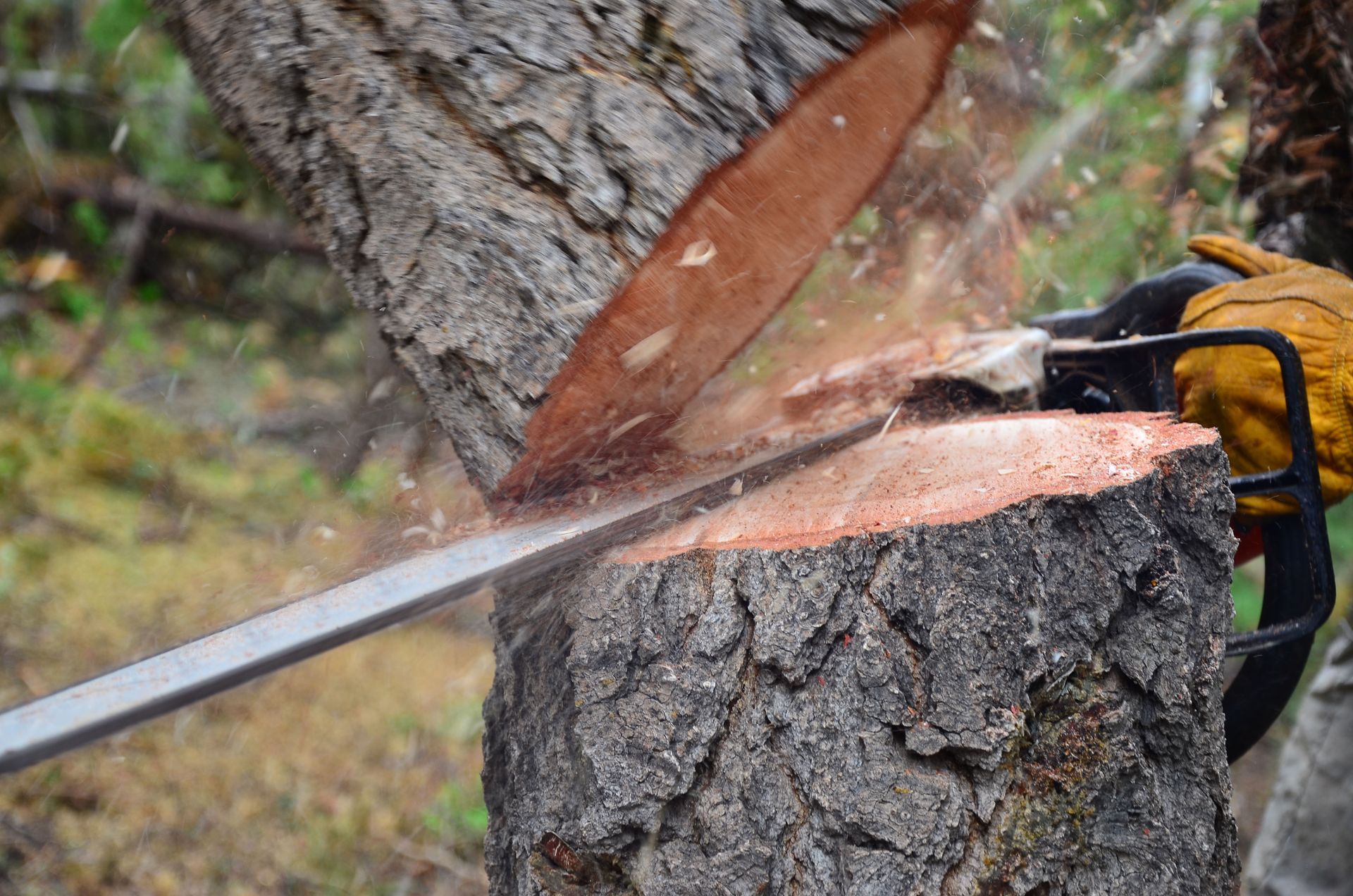
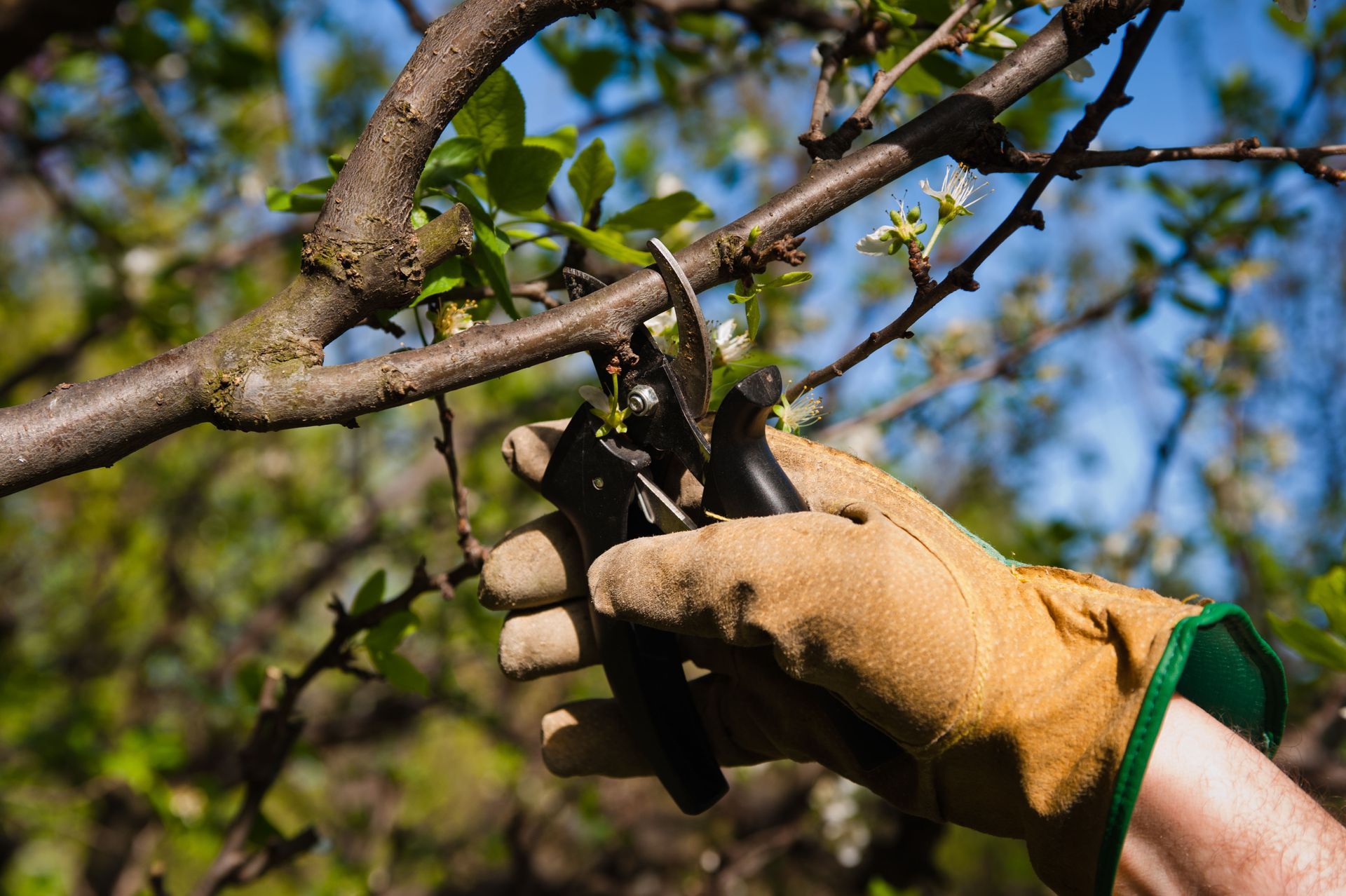
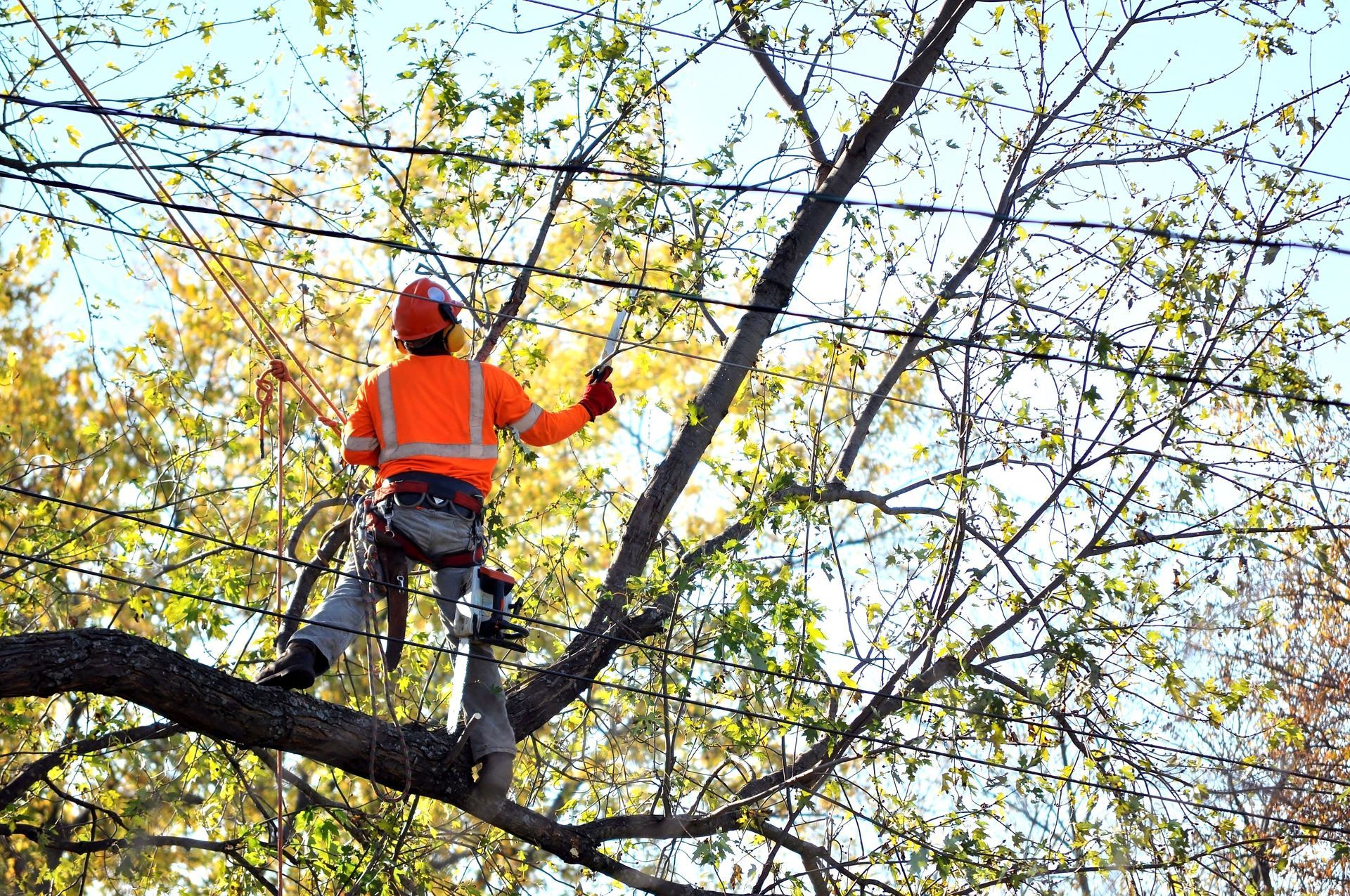
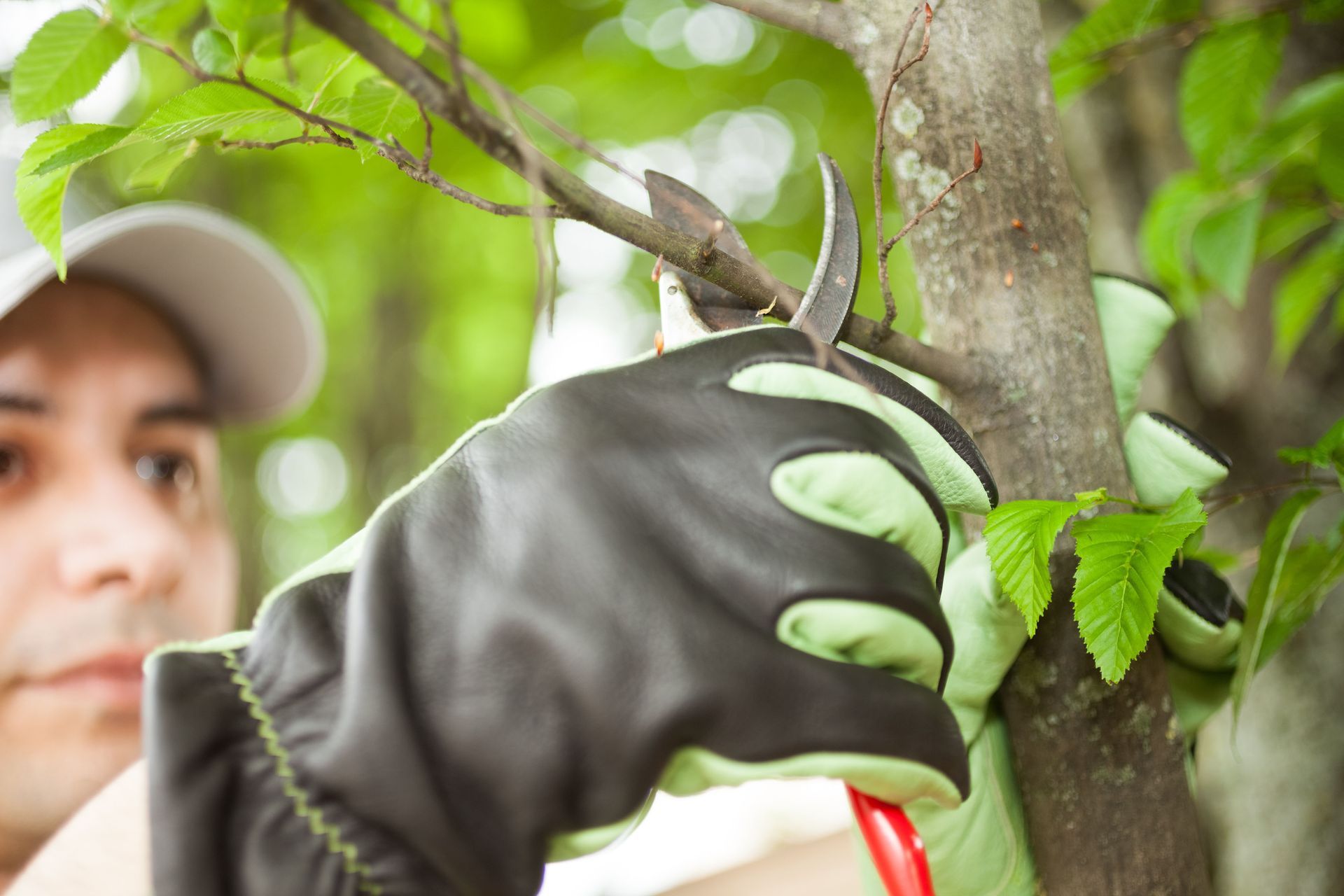
Routine maintenance such as pruning, pest management, and soil care preserves tree health, prevents hazards, and maintains the aesthetic appeal of neighborhoods. Urban planners and property owners can integrate trees into infrastructure planning, parks, and communal areas to maximize their functional and visual impact. Incentives, grants, and educational programs help communities prioritize tree care, ensuring these benefits endure for decades. Thoughtful planning and maintenance make trees not only beautiful and valuable but also vital components of livable, resilient neighborhoods.
Trees are invaluable assets that elevate property values, improve community well-being, and foster environmental sustainability. Their economic, environmental, social, and aesthetic benefits are unmatched, making them essential to thoughtful urban planning and property investment. By investing in trees and prioritizing tree care, homeowners and communities create spaces that are beautiful, resilient, and welcoming. Protect your property’s value and enhance your neighborhood’s appeal with expert services from Rice's Tree Service.

Share On: