
The Tools of the Trade: A Look at the Equipment Used by Local Tree Companies
In the world of arboriculture, local tree companies rely on a wide array of tools to ensure the health and safety of trees, landscapes, and themselves. These tools range from basic manual instruments to advanced machinery, each designed for specific tasks. The use of such equipment not only enhances efficiency but also ensures the safety of both the arborists and the environment they work in. From climbing and cutting to diagnostics and safety, tree maintenance involves a well-coordinated interplay of various tools and tactics.
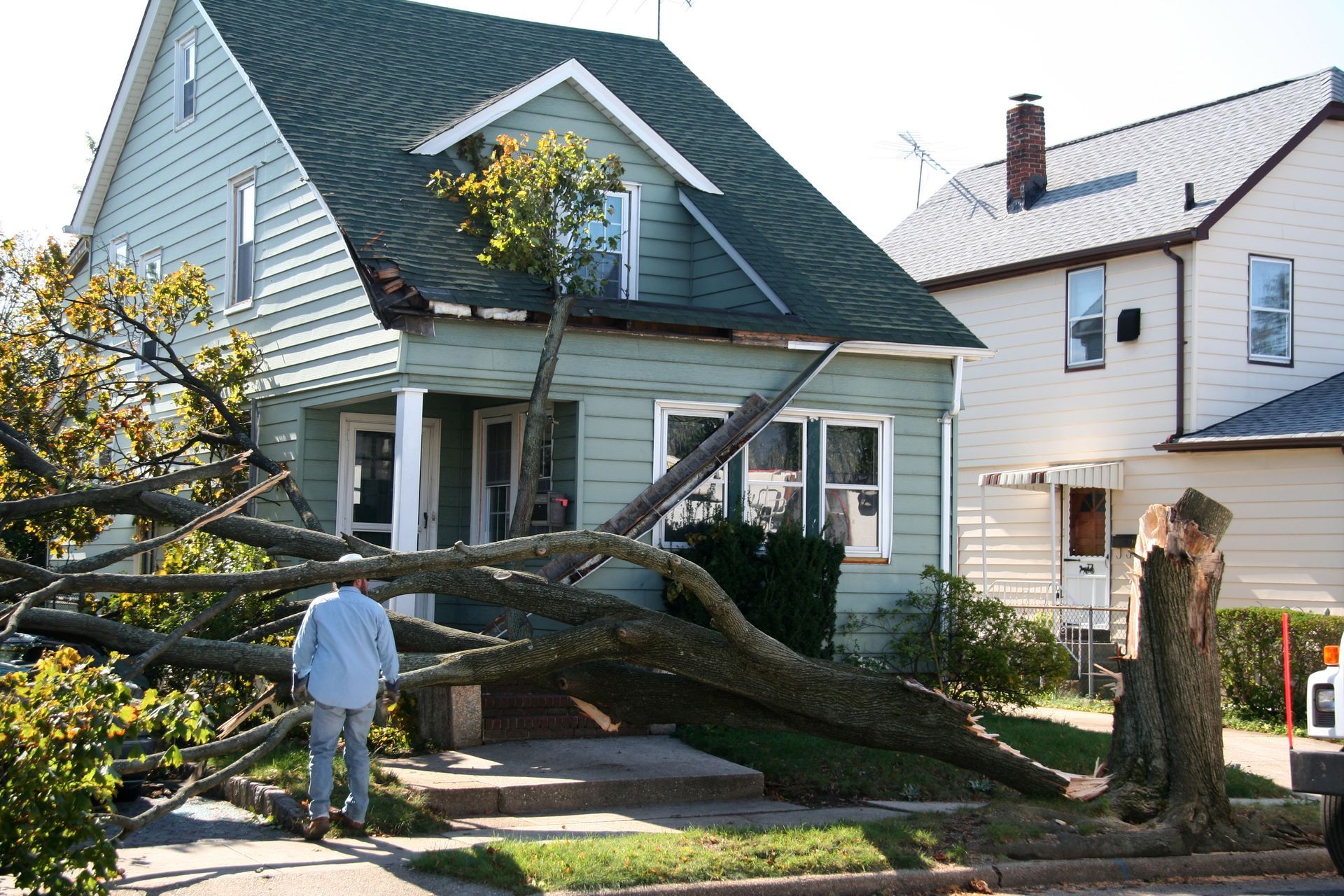
The growing awareness among homeowners about the importance of tree maintenance has led to an increased demand for professional local tree companies. According to the International Society of Arboriculture (ISA), nearly 65% of property owners currently pay for professional tree trimming as a proactive step to safeguard their houses and utility lines from storm damage. This proactive approach has further emphasized the need for tree care professionals to have the right tools for the job, ensuring reliability and efficacy in their services. This exploration into the essential tools of arboriculture aims to provide insight into the equipment that enables tree professionals to meet these modern demands effectively.
Climbing Gear
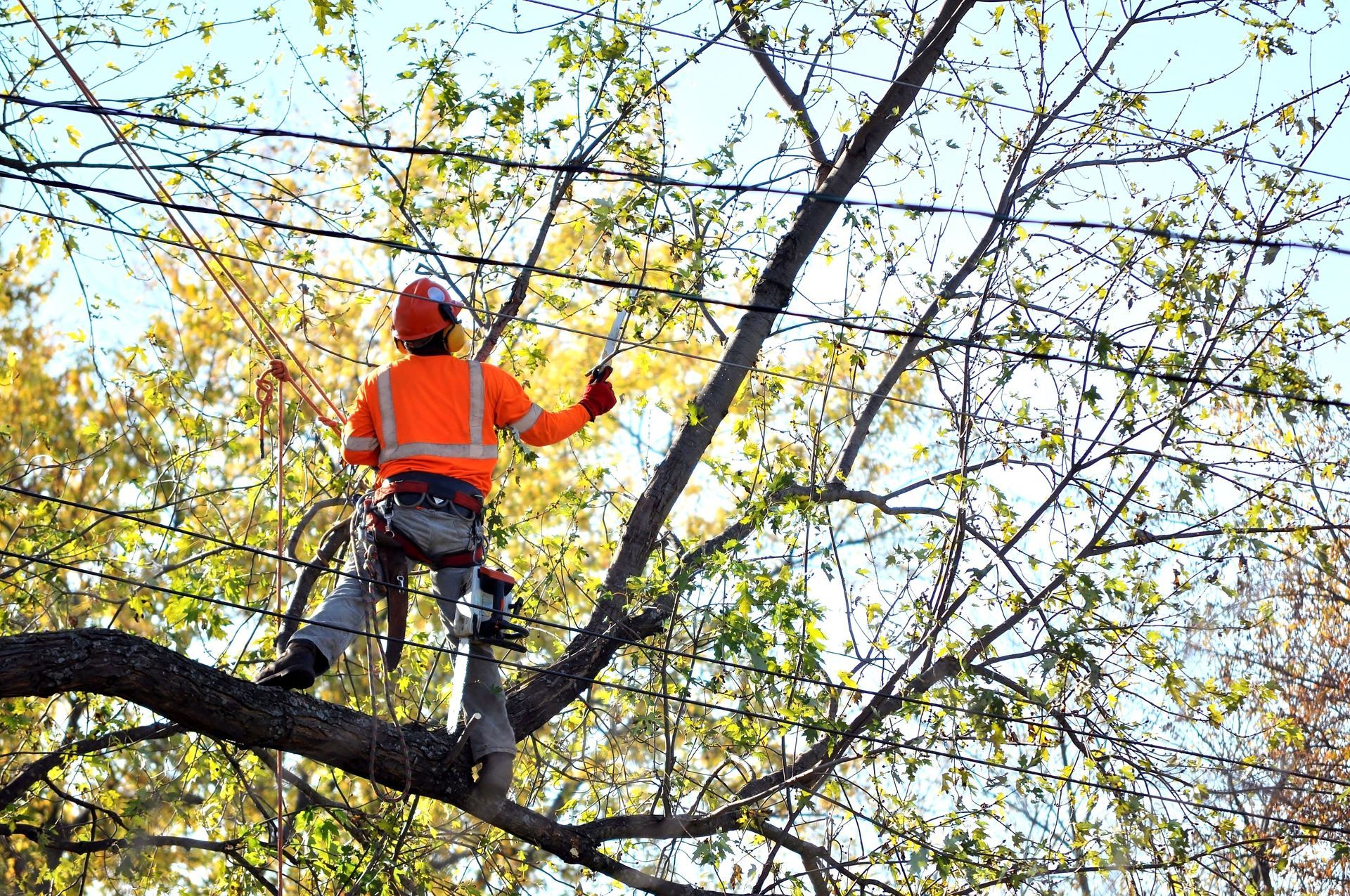
Climbing gear is fundamental in the arsenal of local tree companies, enabling them to access and maneuver through the canopy safely. Ropes and harnesses are the primary components, providing secure and adjustable anchorage for the climber. These tools are designed to withstand significant stress while offering the flexibility needed for various tree species and sizes. Carabiners and connectors are also critical, linking ropes and harnesses, ensuring that the gear maintains integrity under load. The use of quality climbing gear minimizes the risk of falls, which are among the most significant hazards in tree work.
Safety helmets are another crucial piece of climbing equipment, protecting arborists from falling debris and branches. These helmets are robust yet lightweight, offering comfort and protection over extended periods. Climbing spurs, or spikes, are used to climb trees with thicker bark safely, although their use requires careful consideration to avoid damaging the tree. Ascenders and descenders are mechanical devices that aid in climbing up and down trees smoothly, providing control and reducing effort. Together, these climbing gear components ensure that tree workers can perform their tasks effectively while prioritizing safety.
Cutting Tools
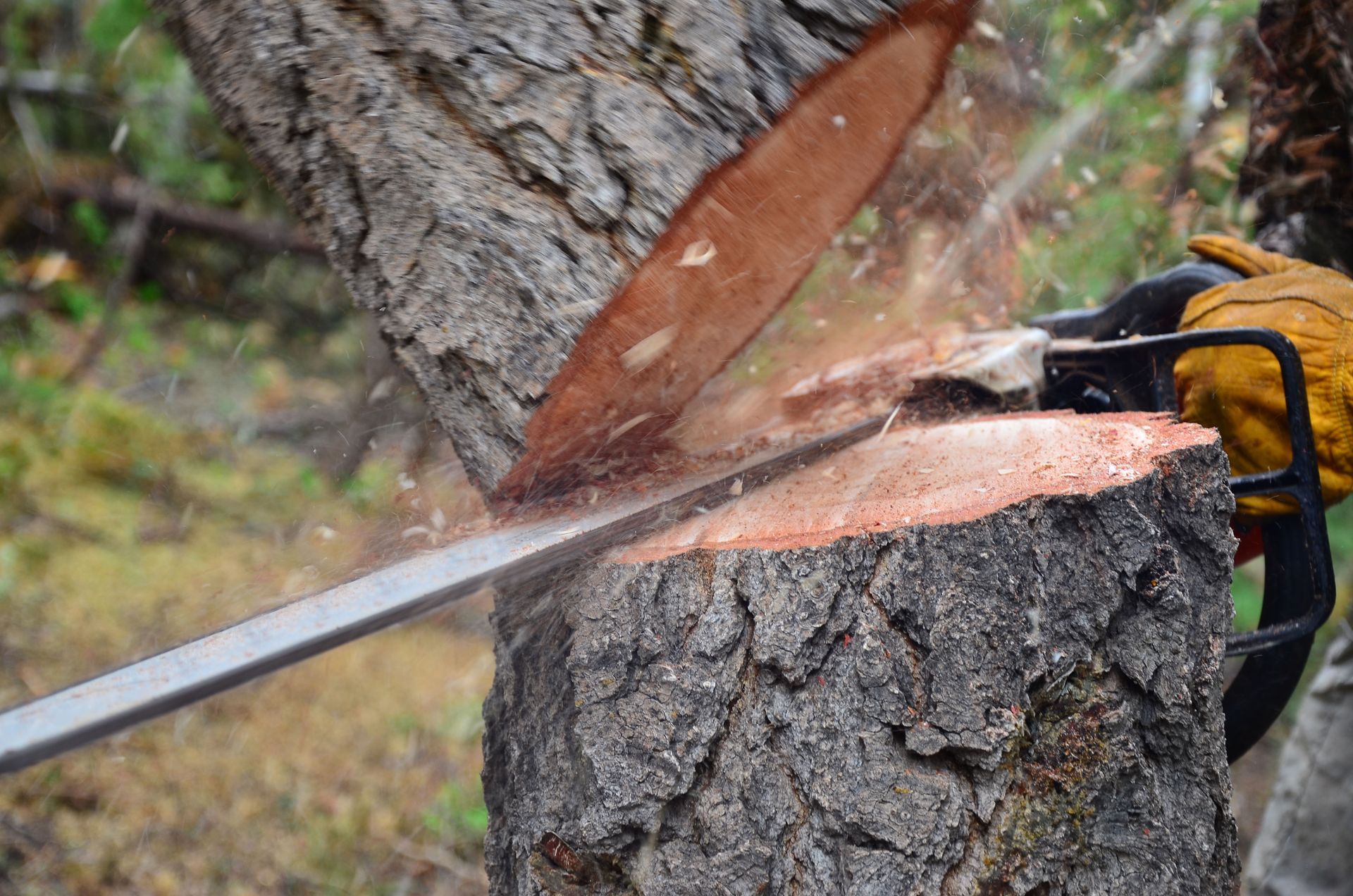
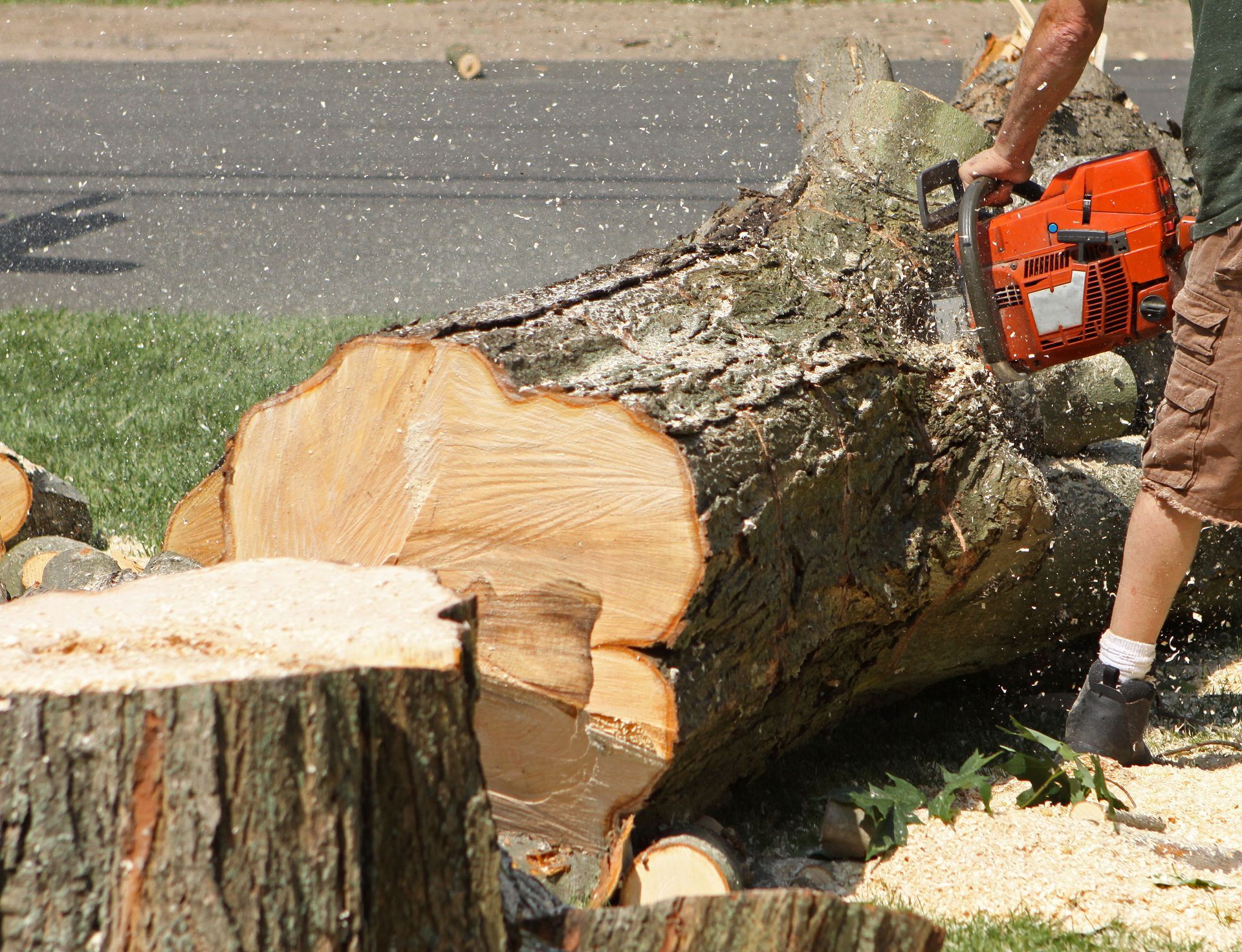
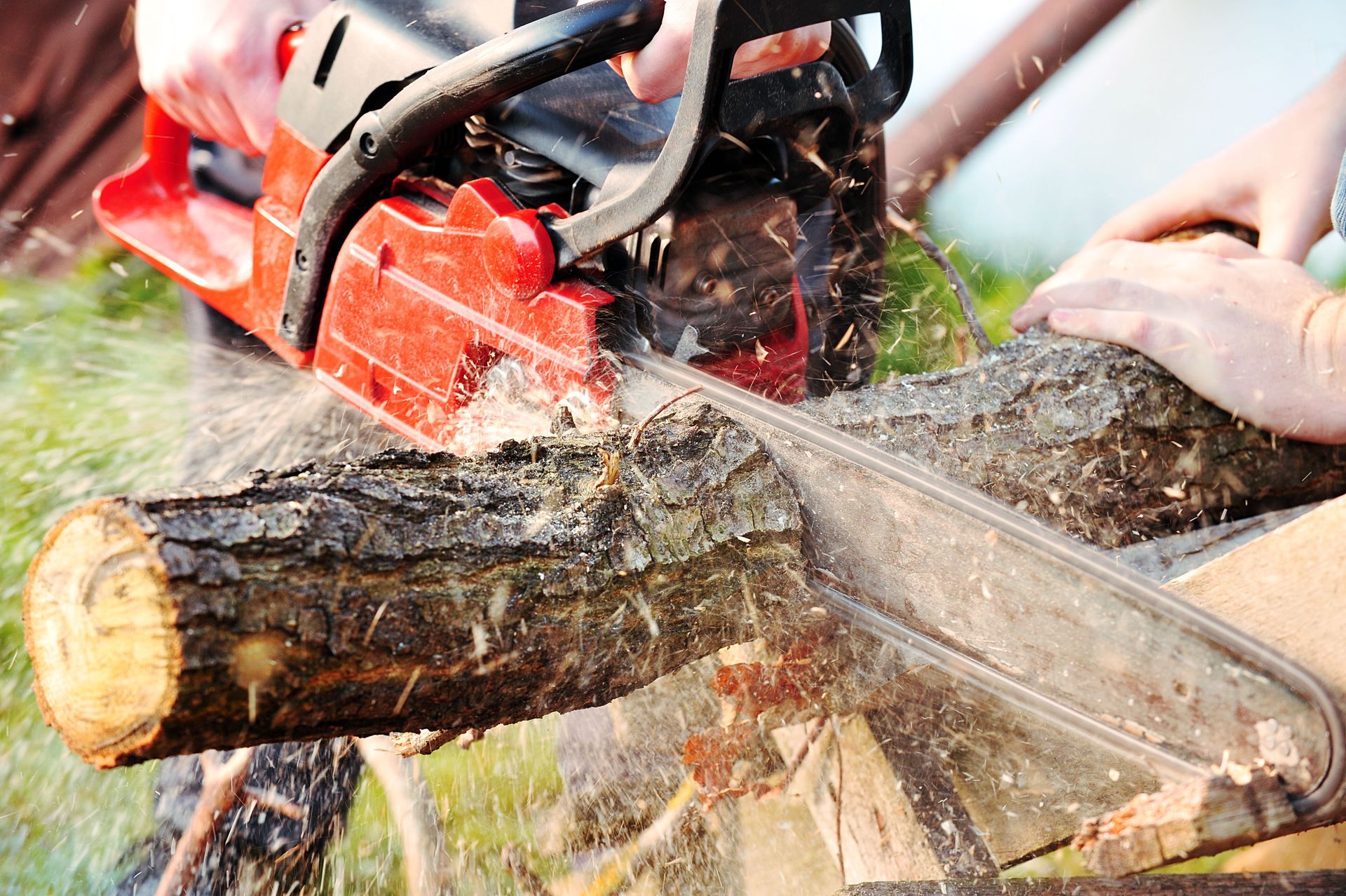
Cutting tools are essential in tree care, allowing local tree companies to prune, shape, and remove trees safely and efficiently. Chainsaws are perhaps the most recognizable tool in this category, designed for rapid cutting of thick branches and trunks. They come in various sizes suitable for different types of work, from light trimming to felling large trees. Proper training and maintenance of chainsaws are critical to ensure their efficient operation and safety for the user. The robust design of modern chainsaws includes features that minimize fatigue and enhance precision during extended use.
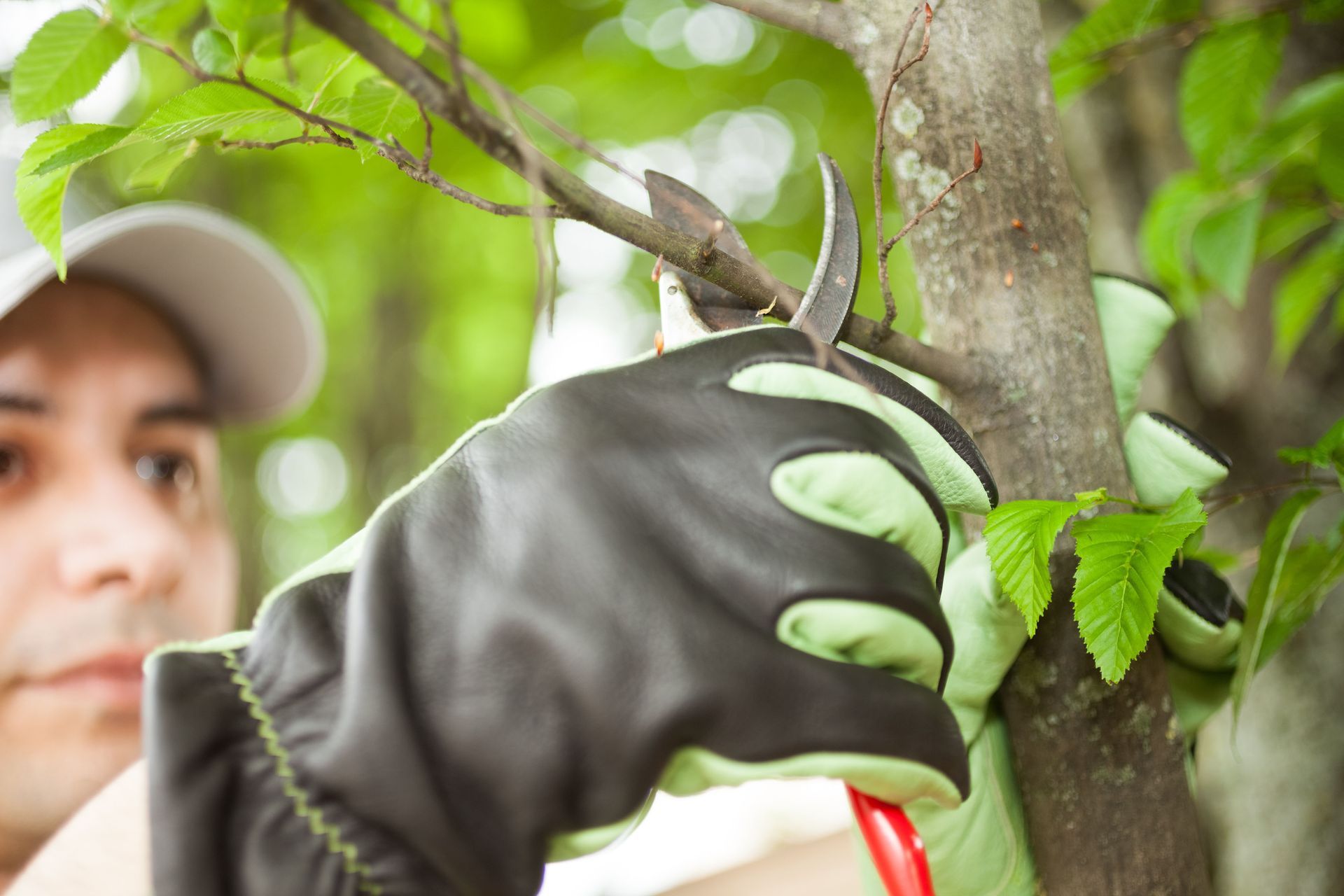
In addition to chainsaws, hand saws are invaluable for more delicate tasks requiring precision and control. These saws allow arborists to make clean cuts, which help the tree heal faster and reduce the risk of disease. Pole pruners extend the arborist's reach, enabling them to trim branches that are high and difficult to access. These tools are important for maintaining tree shape and health without needing to climb the tree. The use of pruning shears further complements this suite, perfect for smaller branches and shaping foliage with precision.
Lifting and Rigging Equipment
In tree care, lifting and rigging equipment play a vital role in managing and controlling the descent of large materials. Pulleys and blocks are critical for redirecting and distributing the weight of heavy branches, preventing unanticipated falls that could be hazardous. They allow for precision and control, using mechanical advantage to manage heavy loads safely. This equipment is essential when dismantling large trees piece by piece, ensuring that each segment is lowered to the ground without harm to structures or personnel. Mastery in using lifting and rigging gear significantly reduces the risks associated with tree removal in densely populated areas.
Slings and ropes are equally important components, securing limbs during lifts or stabilizing trees during pruning. These tools must be robust and versatile, capable of withstanding the stresses of tension and friction involved in the rigging process. Winches offer additional mechanical advantage, providing the power to move heavy loads with ease. Ground crews often utilize these in conjunction with pulleys, working in teams to manage complex rigging setups. The strategic use of winches and ropes exemplifies the precision required in tree care tasks, balancing safety with operational efficiency.
Safety Equipment
Nothing is more important in arboriculture than the safety of the local tree companies undertaking this dangerous work. Protective gloves are essential, guarding hands against cuts, abrasions, and blisters caused by handling rough materials and equipment. High-quality gloves afford arborists dexterity in their hands while offering the necessary protection. Safety glasses and goggles are another crucial aspect, shielding the eyes from flying debris, which is rampant in tree cutting and pruning processes. For full-spectrum safety, professionals prefer eyewear that offers both impact protection and resistance to dust and particles.
Along with visual protection, ear protection is mandatory in a job environment laden with noisy machinery like chainsaws and chippers. Prolonged exposure to such loud tools can lead to hearing loss, making earplugs or earmuffs indispensable in the arborist toolkit. High-visibility clothing deserves mention, worn to ensure workers are visible to one another and any surrounding traffic that might be present near job sites. These brightly colored garments prevent accidents, enhancing the coordination between ground crew and those operating equipment. By being perceptible, workers can also communicate more effectively, which is vital in a task where timing and synchronization are paramount.
Wood Processing Tools
Wood processing tools complement the arborist's work, turning what could be waste into valuable resources and minimizing the site's environmental footprint. Chippers are critical in the conversion of branches and smaller logs into mulch, repurposing seemingly useless material into beneficial ground cover. These machines drastically reduce the volume of debris, making cleanup more efficient and eco-friendly. Stump grinders offer another avenue of transformation, neatly removing stumps left in the wake of tree felling. The swift cutting action of their rotating disc-like grinding wheels allows for the grading of stumps below ground level, facilitating the landscaping process and reuse of the ground surface.
In addition to these devices, log splitters break down larger logs into manageable pieces for firewood or further processing. Operating these hydraulic machines requires careful safety precautions but dramatically cuts down on the labor required compared to traditional axes. Mulchers, similar to chippers, can process a wider array of organic material, turning it into finer mulch or compost material. These tools are perfect for promoting a cycle of reuse and regeneration in everyday arboriculture processes. From boosting soil health to revitalizing garden beds, their contributions transcend mere disposal of debris — they support sustainability and eco-sensitivity.
The specialized equipment used by local tree companies highlights the technical skill and expertise required to maintain trees safely and efficiently. From climbing and cutting tools to diagnostic devices, each piece of gear plays a crucial role in ensuring the best care for urban and rural forests alike. Understanding the integral connection between tools and the arborist’s mastery is fundamental to appreciating the advanced practice of modern arboriculture. The seamless integration of machinery and technology reflects a sector committed to safety, efficiency, and ecological integrity.
Through respecting the harmony of nature and infrastructure, tree care professionals uphold both community safety and environmental stewardship. Investing in these technologies and applying diligent techniques not only ensures business is conducted safely but also helps cultivate greener, more resilient cities. The continued evolution of arboriculture practices and their associated tools marks a vital progression towards a sustainable future, preserving the essential function urban forests provide in everyday life. Local tree companies, entrenched at the heart of this effort, are well-equipped and committed to maintaining this balance through their diverse, sophisticated toolboxes. To ensure the safety and beauty of your property, contact the experts at Rice's Tree Service & Landscaping to schedule a consultation with our equipped team today.




Share On: